Hybrid AI Oracles Fuse On-Chain Data with Forecasting for DeFi Risk Management 2026

In the volatile arena of DeFi by 2026, hybrid AI oracles stand as sentinels, merging real-time on-chain data with sophisticated forecasting to fortify risk management. No longer mere data conduits, these systems anticipate disruptions before they cascade through protocols, drawing from commodities trading wisdom where physical asset signals echo into blockchain derivatives. As prediction markets mature into core infrastructure, the fusion of AI oracle feeds and onchain forecasting defi mechanics addresses chronic pain points like oracle manipulation and liquidity shocks.

Traditional oracles faltered under manipulation pressures, feeding skewed data that amplified flash crashes or silent liquidations. Prediction markets, once speculative playgrounds, now underpin lending protocols and automated vaults, yet vulnerabilities persist: smart contract exploits, front-running, and adversarial data feeds. Hybrid AI oracles flip this script by layering predictive intelligence atop verifiable on-chain states, enabling protocols to preemptively adjust collateral ratios or pause leveraged positions.
Oracles Evolve: From Passive Feeds to Proactive Shields
The oracle layer, long the Achilles’ heel of crypto prediction markets, now pulses with AI-driven verification. Projects like APRO pioneer secure data transfer for AI agents via ATTPs, ensuring tamper-proof inputs. Meanwhile, threshold AI oracles from Supra publish signed outputs on-chain, triggering resolutions in prediction markets or DeFi automations without human bottlenecks. This shift mirrors commodities markets, where I spent years blending fundamental supply signals with technical overlays for trend-following edges; in DeFi, onchain forecasting defi replaces gut-feel with probabilistic models.
Key Advantages of Hybrid AI Oracles
-
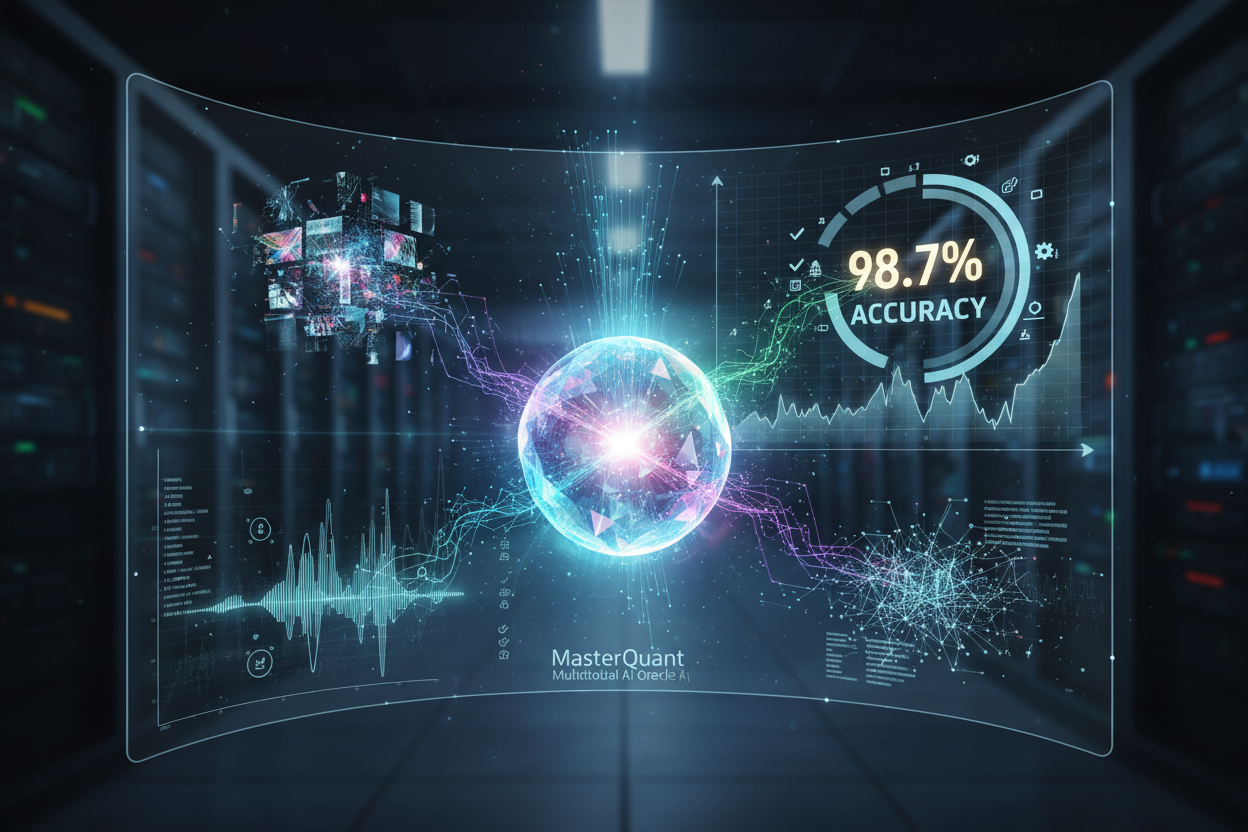
Improved Accuracy: Multimodal AI in MasterQuant verifies on-chain data, addressing inaccuracies in DeFi.
-
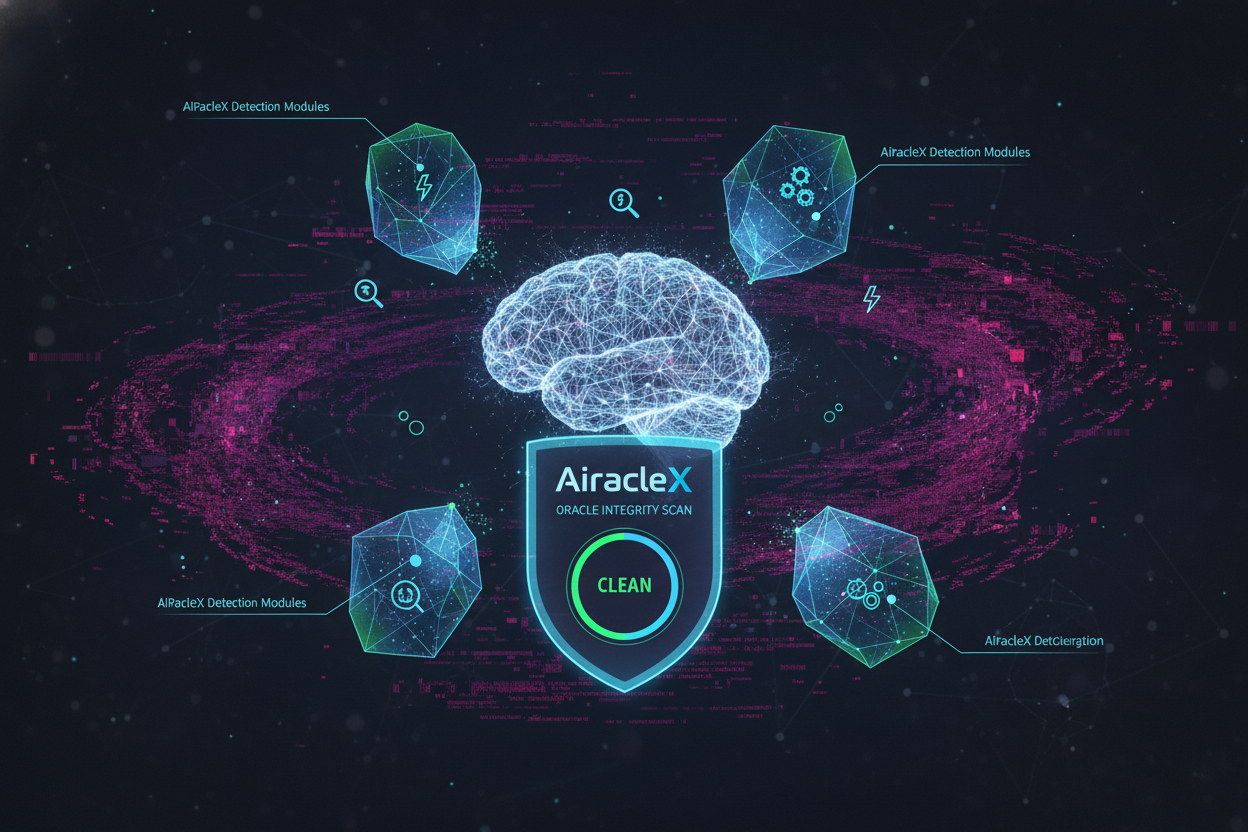
Manipulation Resistance: AiRacleX uses LLMs to detect price oracle manipulations, bolstering DeFi security.
-

Real-Time Forecasting: Supra’s Threshold AI Oracles deliver verified AI outputs on-chain for instant prediction market resolutions.
-
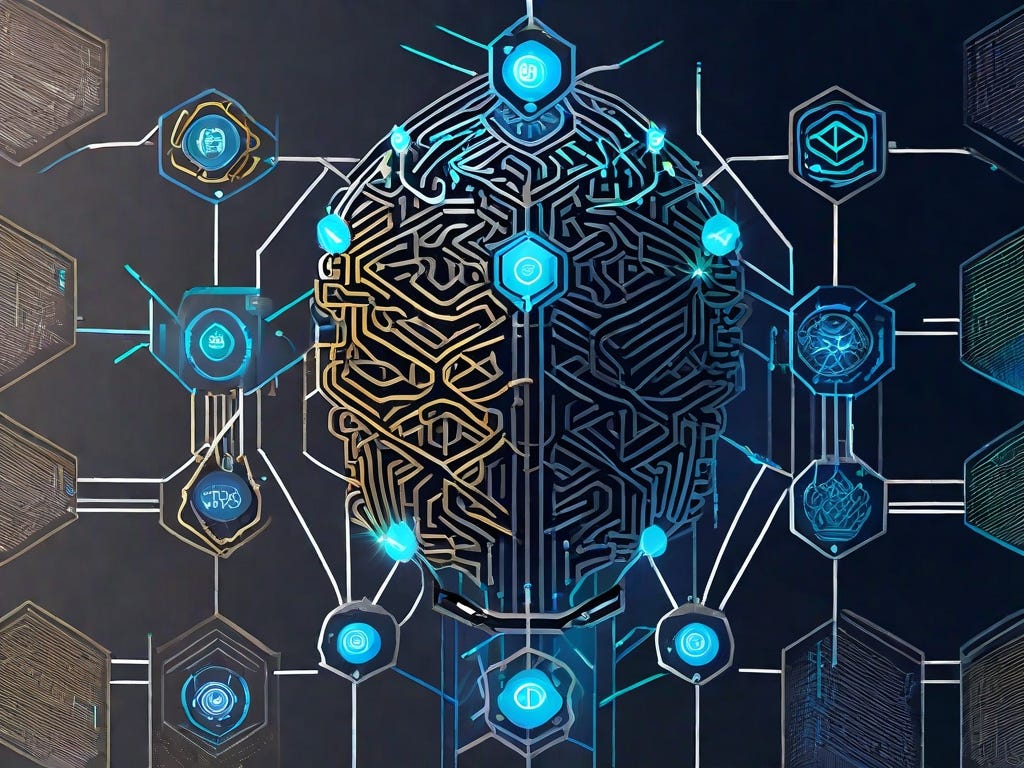
Seamless DeFi Integration: Hybrid oracles fuse on-chain data with AI analytics, enabling automated risk management in lending protocols.
-
Cost-Efficient Resolutions: Combines automated feeds with dispute mechanisms, as in hybrid resolution markets, reducing operational costs.
Hybrid resolution mechanisms combine automated feeds with dispute layers, reducing reliance on centralized points of failure. In 2026’s landscape, AI-powered data streams leverage machine learning and graph inference to model cascading risks, much like tracking oil futures amid geopolitical flares. DeFi risk management 2026 demands this granularity, as protocols scale to trillions in TVL.
MasterQuant’s Multimodal Upgrade Redefines Verification
MasterQuant’s latest iteration embeds multimodal AI into decentralized oracles, slashing verification latencies while boosting precision. This upgrade tackles oracle manipulation head-on, cross-validating on-chain events against predictive forecasts derived from vast datasets. Imagine a lending protocol dynamically hiking collateral if AI detects anomalous liquidity patterns; that’s the primitive prediction markets onchain ai now enable. Operational risks recede as these oracles automate what humans once arbitrated, echoing the efficiency gains in automated commodities hedging.
By fusing text, image, and temporal data modalities, MasterQuant’s system discerns subtle manipulations invisible to rule-based oracles. AiRacleX complements this with large language models trained to flag price oracle attacks, a nod to the adversarial ingenuity plaguing DeFi. These tools transform prediction markets from reactive bets into forward-looking risk engines, where market-implied probabilities inform vault strategies or insurance pools.
Prediction Markets as DeFi’s Risk Primitives
Why do prediction markets matter so profoundly for DeFi? They encode collective intelligence into tradable outcomes, serving as oracles themselves when hybridized with AI. A lending app might query market odds on ‘ETH drops below $3,000’ to modulate borrow limits, all verified on-chain. Stoic AI highlights persistent threats like liquidity attacks, but hybrid ai oracles mitigate them via ensemble forecasting: blending decentralized data, human curation, and LLM scrutiny. This typology spans fully on-chain executions to hybrid feeds, each layer fortifying the stack.
Ensemble methods like these draw from the best of commodities analysis, where trend-following strategies layer momentum indicators over supply-demand fundamentals. In DeFi, ai oracle feeds deliver similar hybrids, turning raw on-chain states into actionable foresight for vaults and derivatives.
Gnosis (GNO) Price Prediction 2027-2032
Forecasts Driven by Hybrid AI Oracles, Prediction Markets, and DeFi Risk Management Advancements
| Year | Minimum Price (USD) | Average Price (USD) | Maximum Price (USD) |
|---|---|---|---|
| 2027 | $550 | $780 | $1,250 |
| 2028 | $700 | $1,100 | $2,000 |
| 2029 | $900 | $1,600 | $3,100 |
| 2030 | $1,200 | $2,400 | $5,000 |
| 2031 | $1,600 | $3,500 | $8,000 |
| 2032 | $2,100 | $5,200 | $12,000 |
Price Prediction Summary
Gnosis (GNO) is positioned for strong growth from 2027 to 2032, with average prices projected to rise over 566% cumulatively from $780 to $5,200. Bullish maximums reflect widespread adoption of hybrid AI oracles in DeFi and prediction markets, while minimums account for potential market corrections and regulatory hurdles. Annual average YoY growth averages ~38%, aligning with crypto bull cycles in 2028 and 2032.
Key Factors Affecting Gnosis Price
- Hybrid AI oracle integration enhancing on-chain data accuracy and DeFi risk management
- Booming prediction markets (GNO, AUGUR, POLKASTARTER) with AI-driven resolutions
- Mitigation of oracle manipulation risks via multimodal AI and frameworks like AiRacleX
- Favorable market cycles and increased DeFi TVL supporting higher valuations
- Regulatory clarity for decentralized oracles and prediction platforms
- Technological upgrades like MasterQuant’s AI oracles boosting GNO utility
- Competition dynamics with Chainlink but GNO’s niche in prediction markets providing edge
Disclaimer: Cryptocurrency price predictions are speculative and based on current market analysis.
Actual prices may vary significantly due to market volatility, regulatory changes, and other factors.
Always do your own research before making investment decisions.
Risk Cascades Halted: Proactive Protocols in 2026
Picture a high-leverage perpetuals exchange sensing front-running via anomalous order flows; hybrid AI oracles flag it instantly, throttling positions before losses mount. This isn’t theory. Frameworks blending graph-based inference with machine learning, as explored in recent papers, map interconnected risks across protocols. Liquidity attacks, once devastating, now trigger automated hedges informed by prediction market probabilities. DeFi protocols that integrate these feeds see liquidation events drop by orders of magnitude, reclaiming billions in locked value.
From my vantage as a commodities veteran, this evolution feels inevitable. Physical markets taught me that ignoring tail risks invites wipeouts; blockchain amplifies this with speed and scale. Onchain forecasting defi embeds those lessons, using AI to simulate stress scenarios on live data. Lending platforms query oracle-derived odds on events like ‘regulatory crackdown impacts TVL, ‘ adjusting rates preemptively. Prediction markets cease being side bets, becoming the nervous system for dynamic collateralization.
Chainlink Technical Analysis Chart
Analysis by James Quillan | Symbol: BINANCE:LINKUSDT | Interval: 1W | Drawings: 8
Technical Analysis Summary
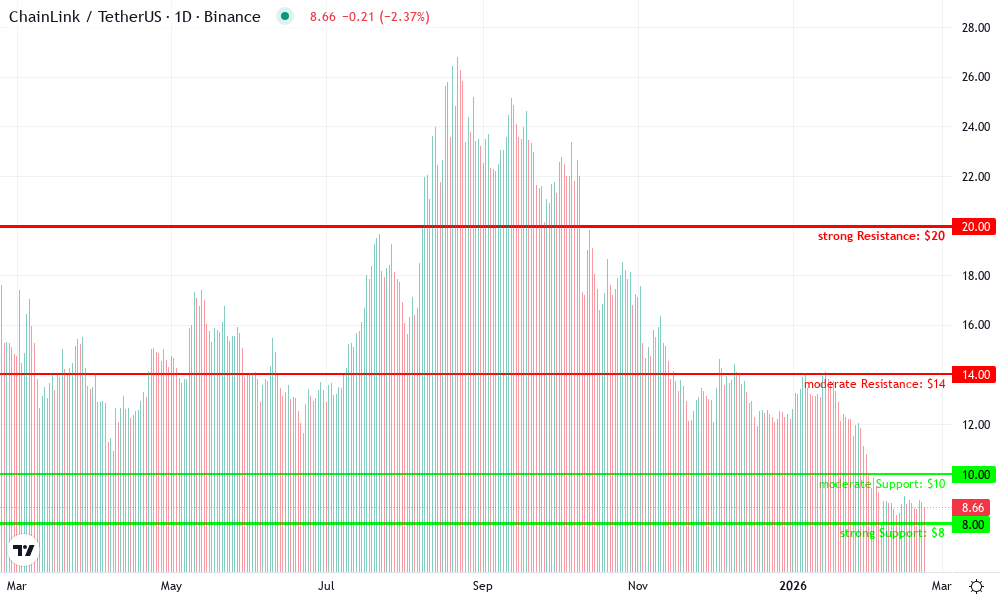
To annotate this LINKUSDT chart in my hybrid style: Start with a bold downtrend line from the July 2026 peak at ~28 to the March 2026 low at ~8.5, using ‘trend_line’ tool in red. Add horizontal lines at key support 8.0 (green, thick) and resistance 14.0 (red, dashed). Rectangle the consolidation zone from late Feb to Mar 2026 between 8.0-10.0. Place arrow_mark_down at the Nov 2026 breakdown from 14 to 10. Callout volume spikes during the Jul-Oct distribution with ‘high volume capitulation echoes commodity selloffs’. Text box for MACD bearish divergence near Dec 2026 high. Fib retracement from Jul peak to Nov low for potential bounces. Vertical line at projected oracle upgrade news in late Mar 2026. This setup highlights trend following with S/R confluence.
Risk Assessment: medium
Analysis: High volatility from 28 to 8.5 with oracle sector news catalysts, but clear downtrend and support confluence offers defined risk for swings; aligns with my medium tolerance
James Quillan’s Recommendation: Caution bias short-term short, scale in longs on 8.0 hold confirmation—watch AI-oracle upgrades for upside trigger
Key Support & Resistance Levels
📈 Support Levels:
-
$8 – Strong multi-touch low in Feb-Mar 2026 with volume exhaustion
strong -
$10 – Intermediate support tested in Nov 2026 breakdown
moderate
📉 Resistance Levels:
-
$14 – Recent swing high in Dec-Jan 2026, failed breakout
moderate -
$20 – Major resistance from May-Jul uptrend origin
strong
Trading Zones (medium risk tolerance)
🎯 Entry Zones:
-
$8.2 – Bounce from strong support 8.0 amid oracle pred market hype, medium risk for swing long
medium risk -
$13.5 – Short entry on resistance rejection for continuation in downtrend
medium risk
🚪 Exit Zones:
-
$12 – Profit target at minor resistance/ fib 38.2% retrace
💰 profit target -
$7.5 – Stop loss below key support to limit downside
🛡️ stop loss -
$10 – Profit target for short at next support
💰 profit target -
$15 – Stop loss for short above recent high
🛡️ stop loss
Technical Indicators Analysis
📊 Volume Analysis:
Pattern: Climax high volume on Jul-Oct decline, drying up at Mar lows suggesting exhaustion
Bearish volume confirmation on breakdown, potential capitulation bottom
📈 MACD Analysis:
Signal: Bearish crossover persisting since Sep 2026, divergence at Dec high
Momentum aligned with price downtrend, watch for bullish cross
Applied TradingView Drawing Utilities
This chart analysis utilizes the following professional drawing tools:
Disclaimer: This technical analysis by James Quillan is for educational purposes only and should not be considered as financial advice.
Trading involves risk, and you should always do your own research before making investment decisions.
Past performance does not guarantee future results. The analysis reflects the author’s personal methodology and risk tolerance (medium).
Such integrations demand nuance. Not all oracles are equal; those relying solely on decentralized feeds falter under correlated failures, while pure human arbitration scales poorly. Hybrid models strike the balance, with AI scrutiny over APIs and on-chain proofs. Supra’s threshold signatures exemplify this, signing AI outputs for tamper-evident publication that sparks market resolutions or vault rebalances. APRO’s ATTPs add agent-level security, vital as AI agents swarm DeFi frontends.
The Commodities Echo: Bridging Worlds for Superior Edges
Over 16 years tracking oil, grains, and metals, I witnessed how lagged signals breed regret. Blockchain derivatives demand better: real-time fusion of physical echoes with crypto volatility. Hybrid AI oracles deliver, modeling gold-spot correlations into BTC perpetuals or weather data into crop-token yields. Prediction markets onchain ai extend this, crowdsourcing outcomes that AI refines into probabilistic edges. Traders who grasp this hybrid will dominate; others chase shadows.




Stoic AI’s warnings on vulnerabilities ring true, yet solutions proliferate. Smart contracts fortified by oracle ensembles resist exploits, while front-running yields to predictive pauses. In 2026, defi risk management 2026 isn’t bolted-on compliance; it’s woven into the protocol fabric. Vaults self-adjust amid black swans, insurers price tail events via market-implied vols, and derivatives embed forecasts natively.
This architecture scales to institutional inflows, where trillions hinge on oracle fidelity. Hybrid systems, blending the verifiable with the visionary, ensure DeFi endures. Commodities taught resilience through layered intelligence; blockchain now inherits that mantle, quieter manipulations and sharper trends ahead.