Hybrid AI Oracles on Solana: Fusing Forecasts with On-Chain Data for Prediction Markets

Solana’s ecosystem hums with potential these days, especially as its native token trades at $91.45, up $1.41 over the past 24 hours. This steady climb reflects growing confidence among developers and traders alike. At the heart of this momentum lies a quiet revolution: hybrid AI oracles on Solana, which blend probabilistic forecasts from advanced models with verifiable on-chain data. For prediction markets, this fusion isn’t just innovative; it’s a prudent step toward reducing the uncertainties that have long plagued DeFi.

Solana’s Prediction Market Surge Meets Oracle Innovation
I’ve watched markets evolve over two decades, from commodities pits to digital ledgers, and Solana stands out for its speed and cost-efficiency. Platforms like Drift BET, built by the Drift Protocol team, exemplify this by offering Solana-based predictions tied to on-chain derivatives. Jupiter, the network’s premier DEX aggregator, recently integrated Chainlink oracles to deliver tamper-proof data for its prediction markets. This move ensures real-time feeds resist manipulation, a critical safeguard when SOL hovers around $91.45 and volatility remains a constant companion.
Such integrations address a core challenge in Solana prediction markets oracles: bridging off-chain events with on-chain execution. Without reliable oracles, markets risk front-running or stale data, eroding trust. Hybrid AI oracles step in by layering AI-driven forecasts over blockchain-verified states, creating feeds that are both forward-looking and grounded in reality.
Fusing AI Forecasts with On-Chain State for Superior Insights
Consider the mechanics. Traditional oracles pull static data; AI oracles generate dynamic predictions. AI forecasting on-chain data fusion takes this further, correlating machine learning outputs with Solana’s high-throughput ledger. For instance, TxODDS powers a Solana oracle for sports predictions, combining trusted data sources with smart contracts and open order books. This setup appeals to my conservative bent: verifiable inputs minimize downside risks in DeFi risk management AI feeds.
Kalshi’s tokenized event contracts on Solana highlight the hybrid model’s power. By preserving centralized liquidity while enabling on-chain composability, it unlocks new trading avenues. Meanwhile, TBD’s $3 million seed round funds a platform merging human sentiment with on-chain markets, countering AI noise in predictions. These aren’t speculative bets; they’re infrastructure plays that align with long-term cycles in Web3 and TradFi.
Solana (SOL) Price Prediction 2027-2032
Forecasts driven by hybrid AI oracles, prediction markets growth, and Solana’s DeFi ecosystem advancements
| Year | Minimum Price | Average Price | Maximum Price | YoY % Change (Avg) |
|---|---|---|---|---|
| 2027 | $85 | $140 | $220 | +51% |
| 2028 | $110 | $200 | $320 | +43% |
| 2029 | $150 | $280 | $450 | +40% |
| 2030 | $200 | $380 | $600 | +36% |
| 2031 | $250 | $500 | $800 | +32% |
| 2032 | $320 | $650 | $1,000 | +30% |
Price Prediction Summary
Solana (SOL) is positioned for strong growth amid the surge in hybrid AI oracles and prediction markets. From a 2026 baseline of ~$93, average prices could climb to $650 by 2032 (7x increase) in bullish scenarios, with min/max ranges accounting for market cycles, adoption, and regulatory factors. Short-term targets align with $92-$100 amid current oracle integrations.
Key Factors Affecting Solana Price
- Integration of Chainlink oracles with Jupiter DEX for tamper-proof prediction markets
- Rise of Solana-native protocols like Drift BET and TBD with $3M funding
- High-throughput advantages for AI agents, RWAs, and leveraged DeFi
- Developer incentives and funding for prediction market infrastructure
- Potential regulatory progress for tokenized event contracts (e.g., Kalshi on Solana)
- Market cycles, competition from other L1s, and oracle sector expansion
- Technological improvements in hybrid oracles for real-time on-chain data
Disclaimer: Cryptocurrency price predictions are speculative and based on current market analysis.
Actual prices may vary significantly due to market volatility, regulatory changes, and other factors.
Always do your own research before making investment decisions.
Why Oracles Are Flocking to Solana Now
Leveraged prediction markets, infused with AI and liquidity, reshape finance per Galaxy Research. On Solana, this manifests in protocols that reward precision over volume. Check how blockchain oracles fuel fast sports markets here, a model increasingly vital amid SOL’s $91.45 perch.
Solana’s appeal as a hub for oracles intensifies with its EVM compatibility on the horizon, drawing players like Chainlink and emerging challengers such as APRO. This isn’t hype; it’s a response to surging needs in RWAs, AI agents, and high-throughput DeFi. Protocols now demand feeds that fuse onchain state fusion ai with predictive edges, turning Solana into a testing ground for resilient markets.

From my vantage as a veteran in commodities and bonds, this migration echoes the shift to electronic trading decades ago: efficiency breeds reliability. Solana’s low fees and sub-second finality make it ideal for oracle-intensive apps. Jupiter’s Chainlink tie-up exemplifies this, powering prediction markets with data that’s not just fast but fraud-proof. As SOL holds steady at $91.45, these tools mitigate the front-running risks that amplify in volatile swings.
Risk Management Through Verifiable AI Feeds
In DeFi, where leverage can turn opportunities into pitfalls, DeFi risk management AI feeds offer a conservative bulwark. Hybrid oracles don’t guess; they correlate AI probabilities with blockchain truths. Take sports predictions via TxODDS: open-source contracts pull verified odds, enabling order books that settle instantly on Solana. This setup sidesteps the opacity of centralized feeds, aligning with my mantra that time in the market beats timing it.
Drift BET extends this to derivatives, letting traders wager on events with on-chain backing. Kalshi’s Solana contracts blend centralized liquidity with blockchain composability, a hybrid pragmatic for liquidity without sacrificing security. And TBD’s funding push integrates human sentiment, filtering AI-generated noise for cleaner signals. These layers create feeds where forecasts inform but don’t dictate, preserving capital in uncertain cycles.
OCADA’s AI agents on Solana push boundaries further, anchoring autonomous trading to verified states. Galaxy’s take on leveraged markets underscores the liquidity boost, yet success hinges on oracle fidelity. Without it, even Solana’s speed falters under bad data. Hybrid models excel here, accessing historical trends alongside live prices, suiting everything from event contracts to macro bets.
Practical Advantages in a Maturing Ecosystem
Developers benefit most from this oracle influx. Bitget’s push for compliant markets provides grants, drawing builders to Solana’s prediction niche. Rapid Innovation notes hybrid oracles’ flexibility: real-time prices to long-term datasets, all verifiable. For traders, this means tighter spreads and confident positions, especially as SOL trades at $91.45 amid broader crypto steadiness.
Key Benefits of Hybrid AI Oracles
-

Tamper-proof data integration: Jupiter integrates Chainlink oracles for reliable, tamper-resistant real-world data in prediction markets.
-
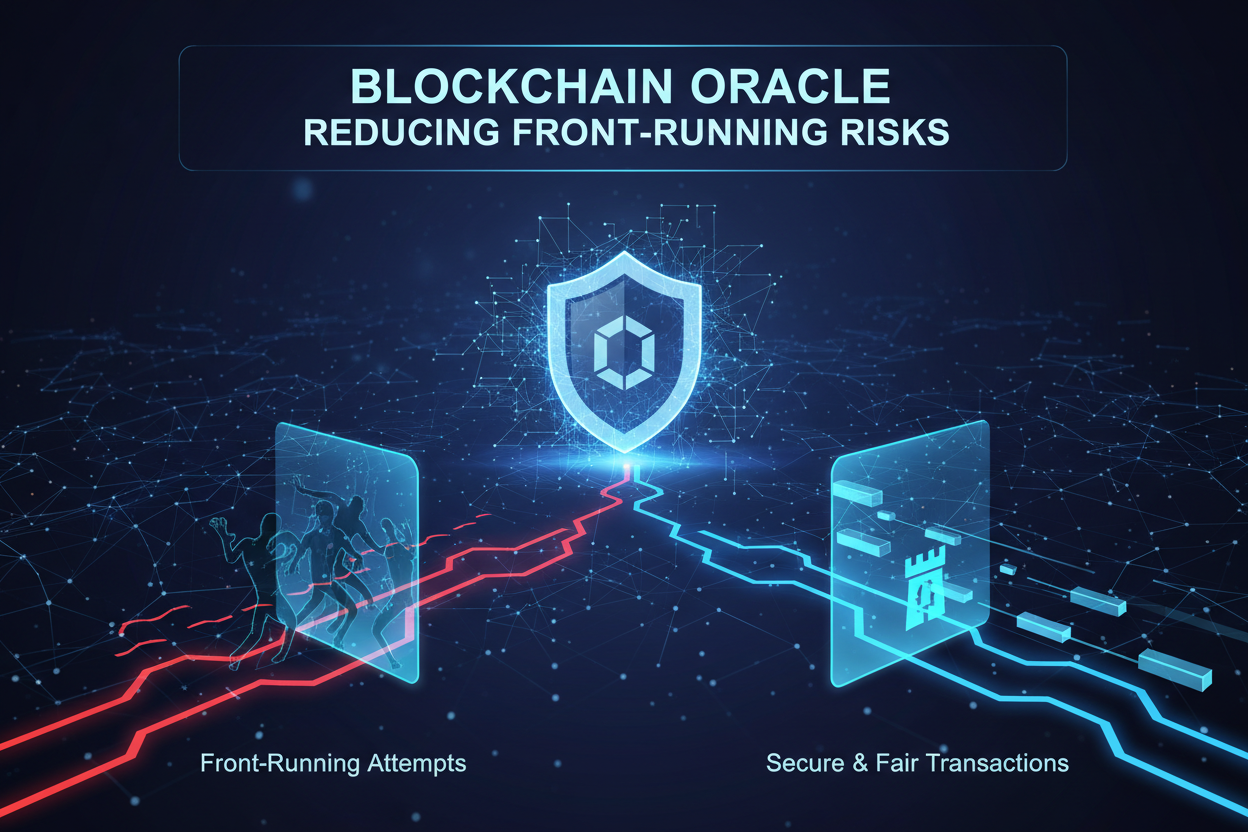
Reduced front-running risks: Secure data feeds from oracles like Chainlink minimize manipulation and front-running in Solana’s high-speed environment.
-
Enhanced liquidity for prediction markets: Platforms like Kalshi leverage Solana for composable, liquid tokenized event contracts.
-

AI-human sentiment fusion: TBD protocol combines verified human opinions with AI to counter automated noise in markets.
-
Low-cost high-throughput execution: Solana’s infrastructure ($91.45 SOL) enables efficient oracle operations at scale.
Prediction markets thrive when participants trust the inputs. Jupiter’s real-time oracles ensure that; Chainlink’s network aggregates sources to thwart single-point failures. APRO challenges incumbents by rising fast in AI oracle ranks, tailored for prediction demands. Sports oracles like TxODDS prove the model scales to niche events, from games to elections, all settling on Solana’s ledger.
Looking ahead, as EVM arrives, oracle competition will sharpen. This favors protocols with proven hybrid ai oracles solana stacks, correlating TradFi discipline with Web3 speed. I’ve seen cycles where infrastructure wins: bonds over flashy equities, commodities over memes. Solana’s oracle ecosystem positions it similarly, rewarding patience with compounded yields.
For risk analysts, these feeds unlock on-chain macro views. AI oracles forecast downturns; blockchain verifies trades. In prediction markets, this duality curbs overconfidence, fostering strategies that endure. Platforms like AI Feed Oracle exemplify this, delivering verifiable insights for DeFi protocols. As SOL stabilizes at $91.45, the fusion of forecasts and facts builds a foundation less prone to euphoria’s traps.