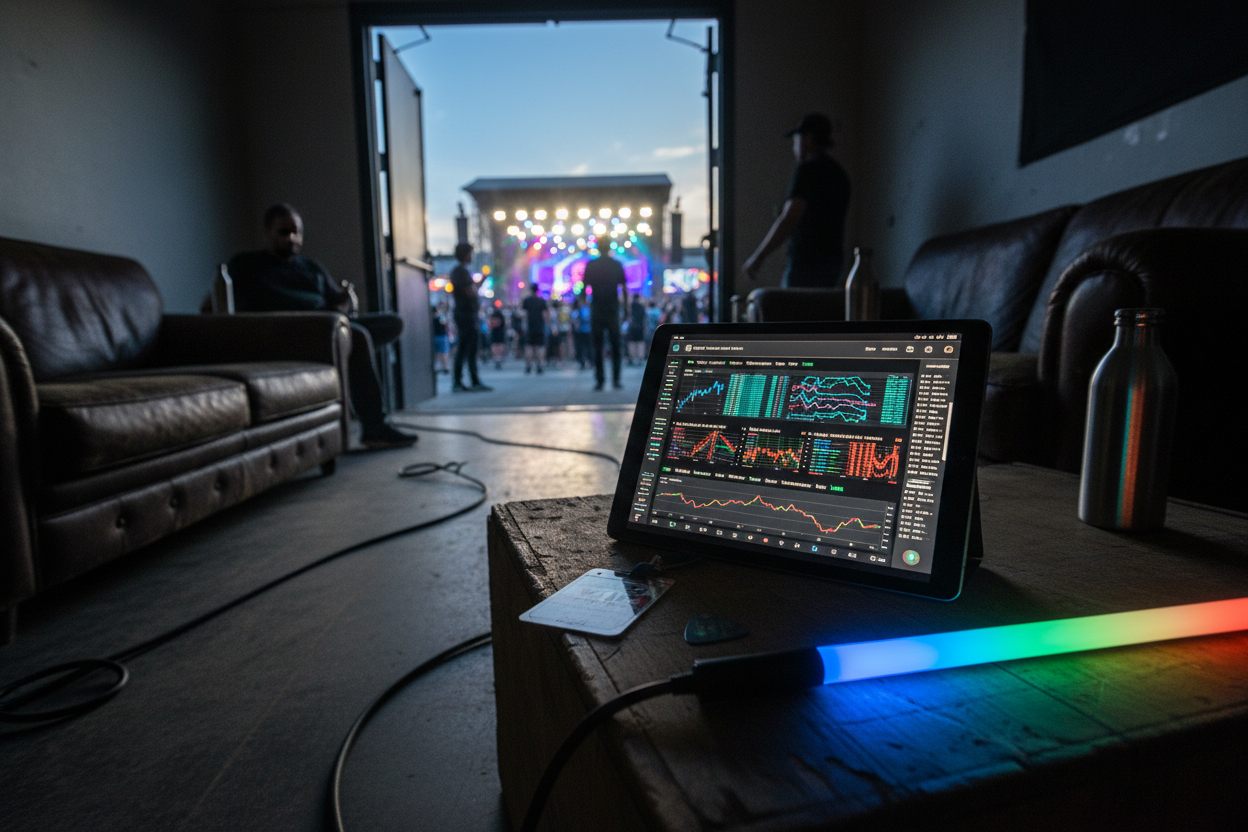
DeFi Risk Analysts Tools Hybrid AI Onchain State Feeds 2026

In February 2026, DeFi risk management has reached a pivotal juncture where hybrid AI onchain feeds fuse predictive analytics with immutable blockchain data, delivering verifiable crypto insights that risk analysts crave. Platforms like AI Feed Oracle exemplify this shift, blending AI forecasting with real-time on-chain states to arm traders and protocols against volatility and exploits. As institutions allocate capital at scale, these tools track liquidity depths, oracle reliability, and protocol health with unprecedented precision, turning raw data into actionable intelligence for prediction markets and beyond.

Why Hybrid Feeds Outpace Traditional Risk Tools
Conventional DeFi dashboards such as DeFiLlama and Gauntlet offer snapshots of liquidity and TVL, but they falter in dynamic environments. Enter hybrid AI onchain feeds: by 2026, 48% of institutions have adopted DeFi risk management strategies, up sharply from 21% in 2023, per AInvest reports. These feeds integrate AI’s pattern recognition with on-chain verifiability, spotting anomalies before they cascade into losses.
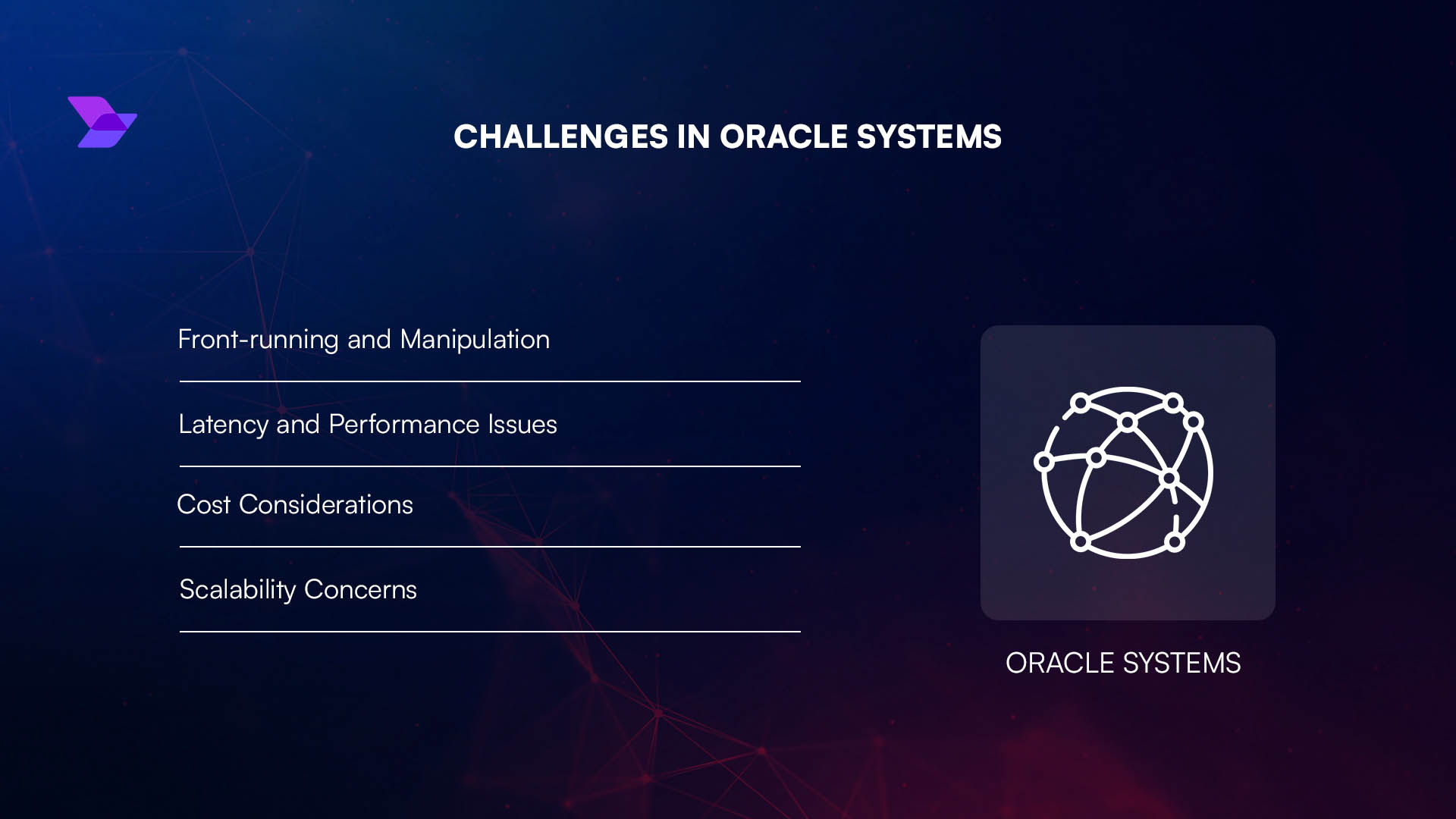
Chaos Labs’ Chaos Vaults, for instance, deploy AI for risk-aware yield optimization, automatically steering assets to optimal lending markets like Morpho Vaults. This isn’t guesswork; it’s blockchain-backed truth. Risk analysts now leverage these for DeFi risk management 2026, where AI agents query protocols as financial APIs, as forecasted by OKX Ventures. Yet, pitfalls persist: AI agents stumble on oracle delays and edge cases, underscoring oracles as trust boundaries, not mere inputs, warns Farhan Sajid on LinkedIn.
Top 5 Hybrid AI DeFi Risk Tools
-
SimianX AI: AI framework for anomaly detection and continuous on-chain monitoring to detect threats early. simianx.ai
-
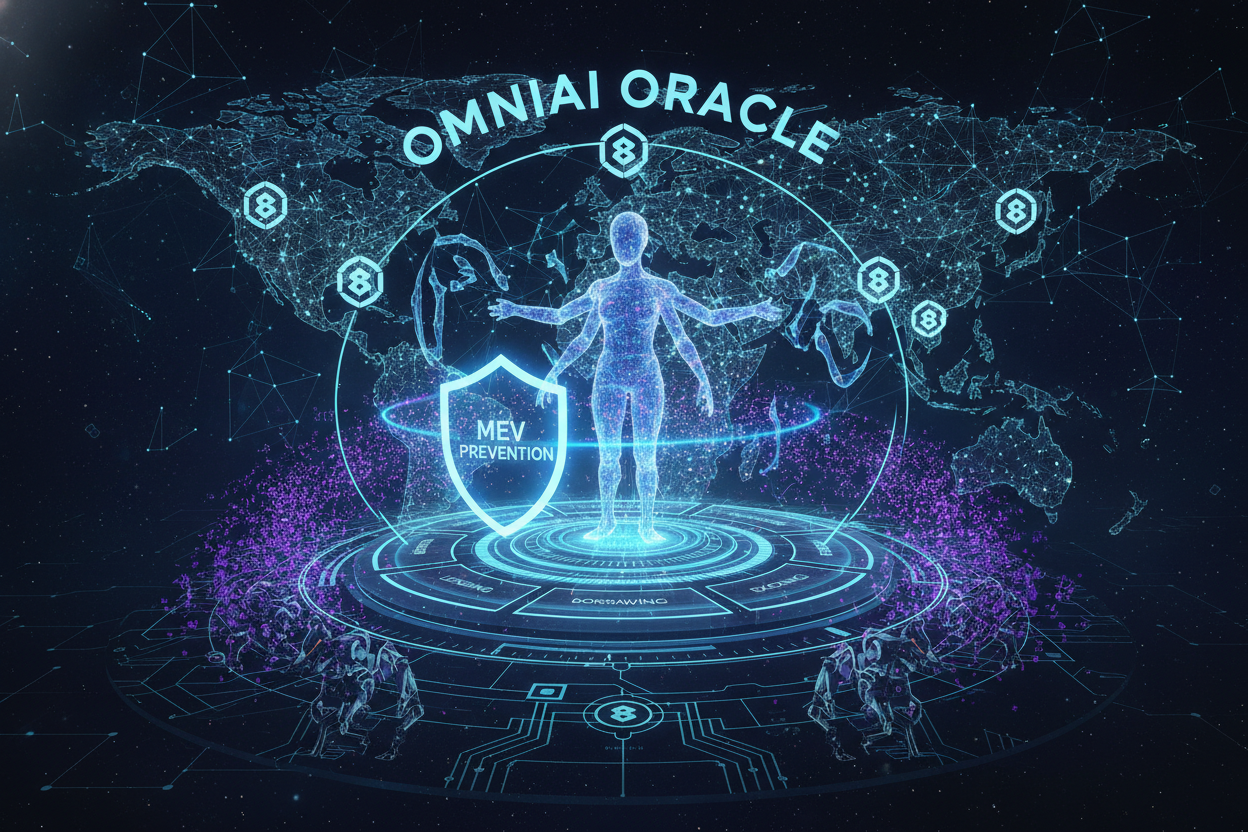
OmniAI Oracles: AI-enhanced oracles for real-time MEV prevention on Ethereum and Solana bridges. Details
-
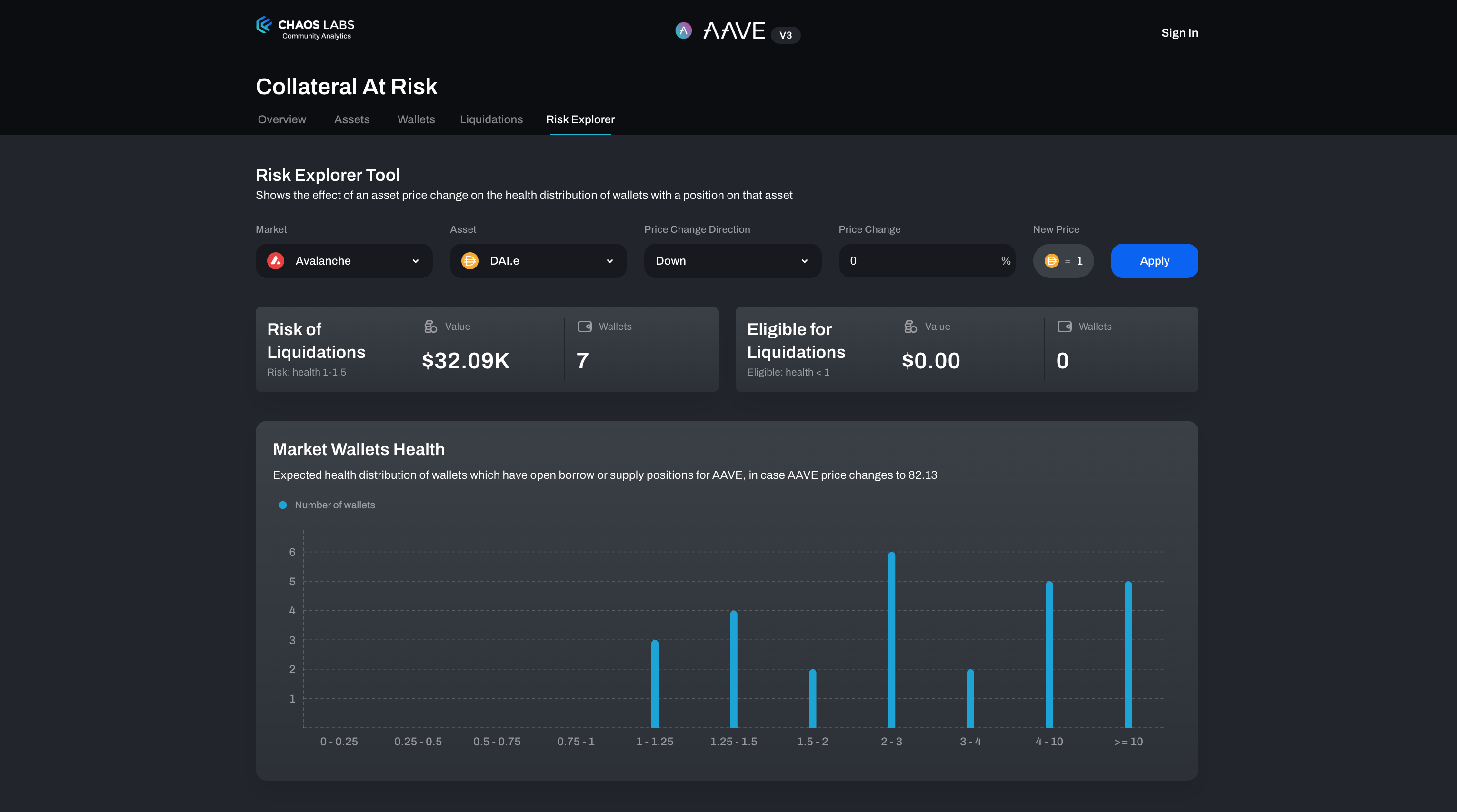
Chaos Vaults: AI-powered platform by Chaos Labs for risk-aware yield optimization in onchain lending. chaoslabs.xyz
-
CipherOwl: AI-driven compliance forensics for transaction tracing and risk detection like money laundering. Source
-
AI Feed Oracle: Provides verifiable real-time feeds essential for AI agents and risk management in DeFi protocols.
Real-Time Onchain Fusion Powers Proactive Defense
SimianX AI stands out in the updated landscape, offering continuous monitoring frameworks that dissect on-chain signals for emerging threats. Its practical approach mitigates exploits by alerting on subtle liquidity shifts or smart contract irregularities. Complementing this, OmniAI’s enhanced oracles deliver real-time data feeds across Ethereum and Solana bridges, neutralizing malicious MEV with AI precision.
BlockSec highlights divergent emphases: DeFi prioritizes decentralized risk models over CEX account controls. Here, hybrid feeds shine, enabling risk analysts prediction markets to price uncertainties accurately. Andreessen Horowitz notes DeFi’s evolution toward automated allocation, where tools like Morpho dynamically hunt risk-adjusted yields. But attackers still drain protocols in 2026, per BlockEden, emphasizing decentralized oracles like Chainlink as the bulwark.

Hey Anon exemplifies user-centric AI, parsing natural language into complex transactions, lowering barriers for risk-sensitive maneuvers. Meanwhile, CipherOwl’s AI forensics trace illicit flows, flagging money laundering or sanctioned interactions to enforce compliance without friction.
Institutional Convergence with RWAs Accelerates Demand
RedStone predicts 2026 as the convergence year for DeFi and real-world assets (RWAs) at institutional scale. RWAs integrate into lending, risk frameworks, and liquidity, per Ancilar’s model. Hybrid feeds verify these flows, ensuring capital behaves intelligently via AI agents seeking optimal risk-reward.
For risk analysts, this means granular visibility: tracking RWA tokenization health alongside on-chain metrics. DeFi Safety scores complement AI feeds, but the hybrid edge lies in foresight; AI anticipates flash loan attacks or oracle manipulations that static tools miss. As OKX outlines, protocols morph into APIs for autonomous capital deployment, demanding feeds that confirm predictions on-chain instantly.
Such feeds don’t just report; they forecast, enabling risk analysts prediction markets to price uncertainties with conviction rooted in on-chain confirmation. Gone are the days of blind reliance on off-chain models; hybrid AI onchain feeds verify projections against blockchain reality, slashing false positives that plague pure AI systems.
Quantifying Edge Cases: Prediction Markets Meet Verifiable Feeds
Prediction markets thrive on calibrated probabilities, yet DeFi’s volatility demands more than crowd wisdom. Hybrid feeds excel here, cross-referencing AI forecasts with live on-chain states to refine odds on exploits, liquidations, or RWA adoption. Take institutional RWA inflows: Ancilar’s model plugs tokenized assets into lending loops, but without real-time oracle feeds, risk models lag. AI Feed Oracle bridges this, delivering hybrid insights that confirm liquidity flows and yield curves instantly.
Farhan Sajid’s caution rings true; AI agents falter on oracle delays, treating them as inputs rather than boundaries. That’s why verifiable crypto insights from hybrid sources matter: they contain errors by design, assuming fallibility and verifying every signal. In 2026, this containment turns prediction markets into profit engines, where analysts bet on nuanced outcomes like MEV spikes or RWA yield divergences.
Chainlink (LINK) Price Prediction 2027-2032
Forecasts driven by DeFi oracle adoption, AI-hybrid onchain feeds, RWA convergence, and institutional risk management integrations
| Year | Minimum Price | Average Price | Maximum Price | YoY % Change (Avg from 2026 baseline) |
|---|---|---|---|---|
| 2027 | $32.00 | $58.00 | $95.00 | +38.1% |
| 2028 | $42.00 | $82.00 | $145.00 | +41.4% |
| 2029 | $58.00 | $115.00 | $210.00 | +40.2% |
| 2030 | $80.00 | $165.00 | $310.00 | +43.5% |
| 2031 | $115.00 | $235.00 | $460.00 | +42.4% |
| 2032 | $160.00 | $335.00 | $650.00 | +42.6% |
Price Prediction Summary
Chainlink (LINK) is positioned for robust growth as the leading oracle network, benefiting from AI-enhanced DeFi risk tools, real-time onchain data feeds, and RWA institutional adoption. Average prices are forecasted to rise progressively from $58 in 2027 to $335 in 2032 (assuming 2026 baseline of $42), with bullish highs up to $650 in peak adoption scenarios and conservative mins reflecting market cycles and competition.
Key Factors Affecting Chainlink Price
- Explosive DeFi adoption requiring reliable oracles for risk analysis and AI agents
- Hybrid AI-onchain integrations (e.g., Chaos Labs, RedStone) boosting Chainlink’s CCIP and data feeds
- Institutional RWA convergence driving demand for secure, real-time state proofs
- Regulatory maturity favoring compliant oracle infrastructure amid 48% institutional DeFi strategies by 2026
- Crypto market cycles with potential bull runs in 2028-2030 post-halving
- Competition from emerging oracles balanced by Chainlink’s network effects and first-mover status
- Technological upgrades in oracle reliability mitigating AI agent failures and MEV risks
Disclaimer: Cryptocurrency price predictions are speculative and based on current market analysis.
Actual prices may vary significantly due to market volatility, regulatory changes, and other factors.
Always do your own research before making investment decisions.
Chaos Labs pushes this further with Vaults that dynamically allocate for risk-adjusted yields, a blueprint for institutional playbooks. As DeFi protocols evolve into AI-queryable APIs per OKX, feeds like these become the nervous system, pulsing data to autonomous agents chasing alpha.
Tool Arsenal: A Comparative Edge for Analysts
Risk analysts juggle multiple feeds, but integration is key. SimianX flags anomalies in real-time; OmniAI neutralizes MEV; CipherOwl enforces compliance via forensics. Yet, no single tool suffices without hybrid fusion. DeFi Coverage offers insurance layers against AI-driven exploits, protecting protocols from vulnerabilities like Anthropic’s $4.6M lapses in smart contracts (DeFi Coverage). This multi-tool stack, verified on-chain, equips teams to withstand 2026’s assault vectors.
Hybrid AI Onchain Tools Comparison
| Tool | Key Feature | Supported Chains | Risk Focus |
|---|---|---|---|
| SimianX | Anomaly Detection | ETH/Solana | Exploits |
| OmniAI | MEV Prevention | Ethereum/Solana (Bridges) | MEV, Bridges, Liquidity Risks |
| CipherOwl | Transaction Forensics & Compliance | Multi-chain | Money Laundering, Sanctioned Entities |
| Chaos Labs (Chaos Vaults) | Risk-Aware Yield Allocation | Multi-chain | Yield Optimization, Liquidity Risks |
BlockEden’s exposé on persistent drains underscores the stakes: even sophisticated protocols bleed without robust oracles. Chainlink’s decentralization remains gold standard, but hybrid AI elevates it, layering predictive layers atop price feeds for holistic risk views.
Hey Anon’s natural language interface democratizes this power, letting non-coders execute hedged positions or compliance checks effortlessly. Pair it with CipherOwl’s tracing, and you’ve got a compliance moat around yield farming. For prediction markets, these tools price black swans; AI spots patterns in historical exploits, on-chain data confirms current vectors.
Andreessen Horowitz’s big ideas crystallize the trajectory: automated vaults like Morpho hunt yields programmatically, but hybrid feeds govern the hunt, vetoing suboptimal risks. Institutions, now 48% strategized per AInvest, demand this precision as RWAs flood on-chain.
BlockSec’s evolution narrative pits DeFi’s decentralized edge against CEX controls, with AI amplifying the former. Gauntlet and DeFiLlama provide baselines, but hybrid feeds forecast deviations, turning analysts into oracles themselves. In this ecosystem, capital allocates surgically, protocols harden preemptively, and markets mature beyond hype.
By fusing AI foresight with blockchain verity, DeFi risk management 2026 enters an era of disciplined growth. Risk analysts, armed with these feeds, don’t just react; they architect resilience, positioning for the intelligent capital wave ahead.