
In the volatile landscape of 2026 prediction markets, hybrid AI oracles stand out as a pivotal innovation, fusing artificial intelligence's predictive prowess with blockchain's immutable verification. As platforms like OmniOracle demonstrate, launched just weeks ago on February 1, these systems deliver trustless resolutions for event outcomes, sidestepping KYC hurdles while anchoring real-world data on-chain. This synergy not only sharpens market efficiency but also draws in steadier capital flows, evidenced by Kalshi's commanding 60% share and $850 million weekly volumes by late 2025.
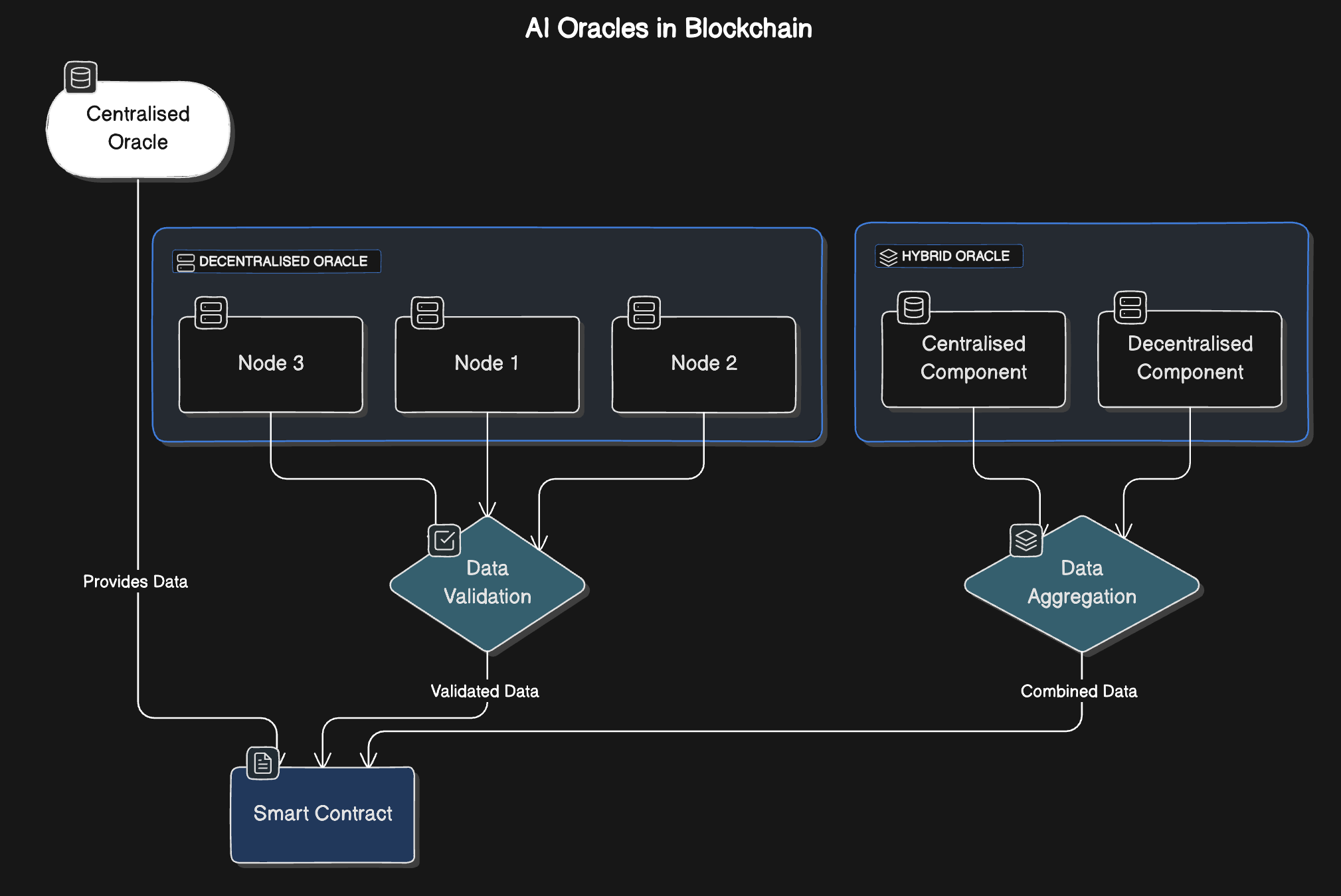
Traditional oracles have long bridged off-chain realities to smart contracts, but their vulnerabilities to manipulation and latency have constrained prediction markets' scale. Enter AI oracle prediction markets, where machine learning models process vast datasets, outputting signed predictions published directly on-chain. This triggers automated resolutions, from DeFi liquidations to insurance payouts, as seen in Threshold AI Oracles and Sora's agentic designs tailored for RWAs and event-driven apps.
Core Mechanics of On-Chain AI Forecasting
On-chain AI forecasting relies on decentralized networks where AI nodes compute probabilistic outcomes, verified via zero-knowledge proofs or multi-signature consensus before chain inscription. APRO exemplifies this with high-frequency feeds for crypto prices and derivatives, pulsing data at sub-minute intervals to match market speeds. Unlike pure off-chain simulations, hybrid setups domicile heavy computations externally while piping real-time inputs on-chain, balancing reliability with scalability as outlined in recent typologies.
Consider DeAgent AI's agent-based infrastructure: autonomous agents scour news, social signals, and economic indicators, distilling them into verifiable predictions. This evolves markets beyond binary bets into macro-data trading hubs, per DWF Labs' outlook. Oracle economics further underscores the incentives; node operators stake tokens against accuracy, with slashing for disputes, fostering a self-policing ecosystem that aligns with conservative risk management principles.
Key Advantages of Hybrid AI Oracles
- Real-time on-chain verification reduces resolution disputes, as seen in OmniOracle launched in 2026 for trustless resolutions without KYC.

- AI-driven semantic alignment fixes liquidity fragmentation and price discrepancies across platforms via advanced frameworks.
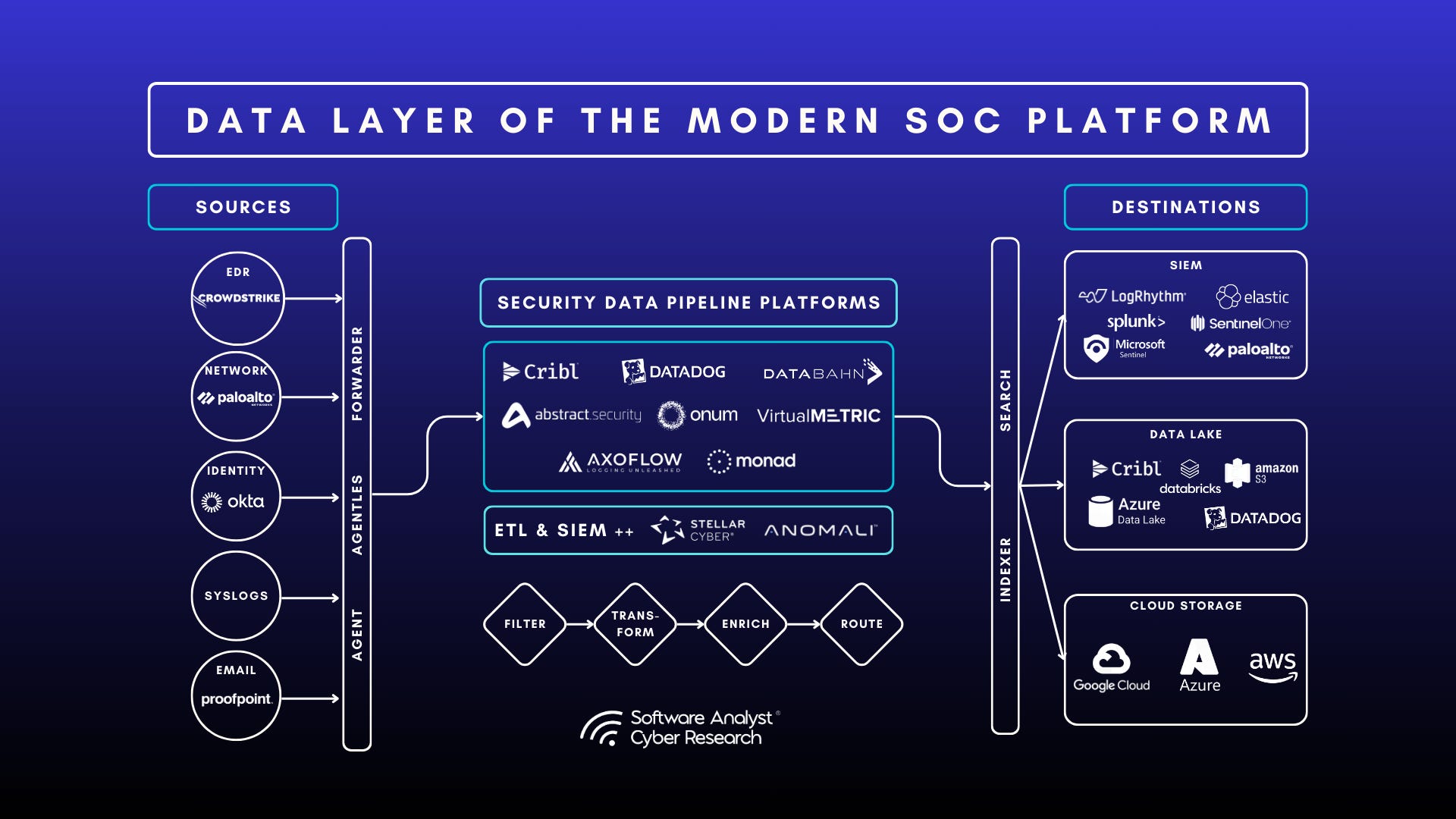
- ZK proofs in federated learning ensure data privacy, enabled by the ZK-HybridFL framework for secure model validation.
- High-frequency feeds support derivatives and gaming, like APRO's fast on-chain data for crypto prices and economies.
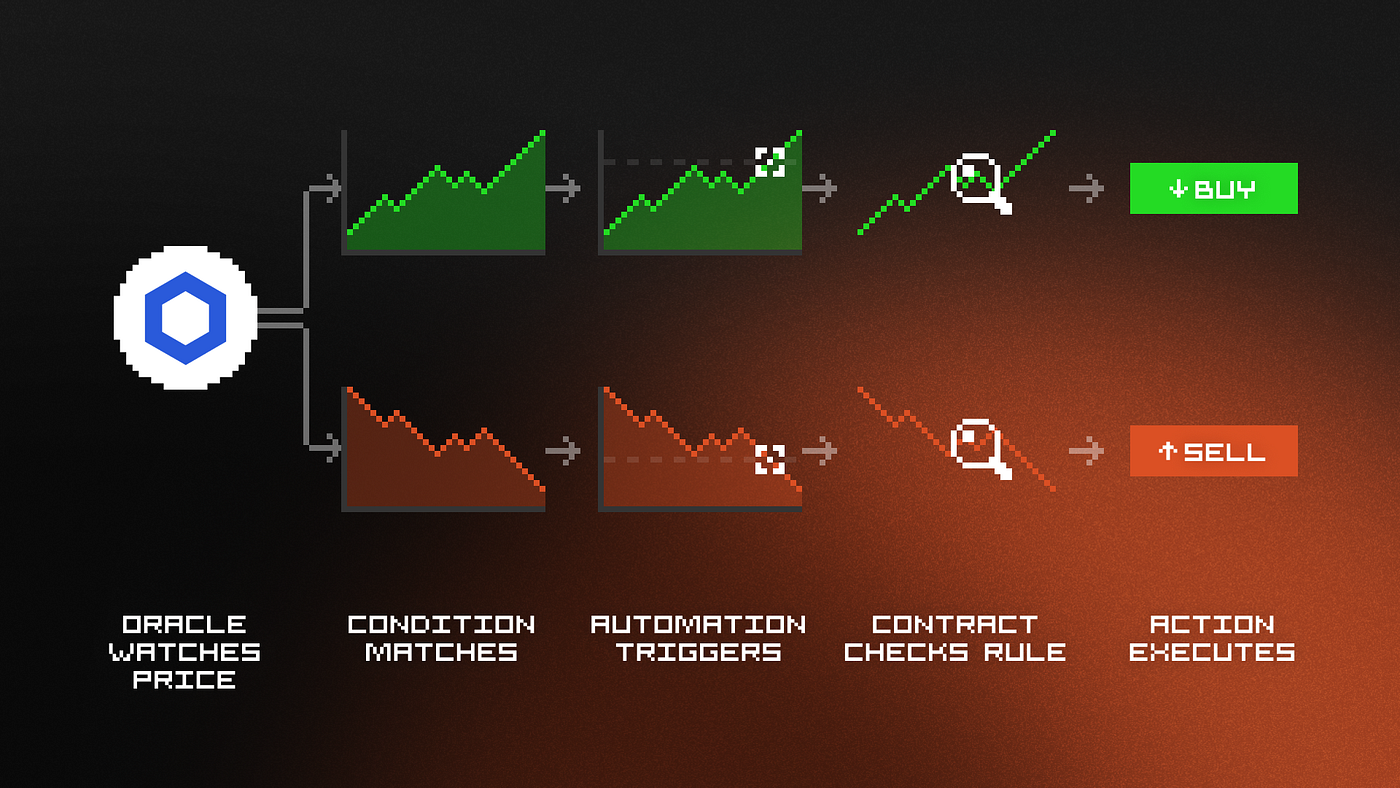
- Seamless DeFi automations triggered by signed outputs on-chain, as in Threshold AI Oracles for prediction resolutions.
Resolving Semantic and Liquidity Hurdles
Prediction markets have grappled with semantic non-fungibility, where identical events spawn divergent contracts across platforms, breaching the Law of One Price and splintering liquidity. AI frameworks, like those in arXiv's semantic alignment research, parse event descriptions to normalize outcomes, enabling cross-market arbitrage and tighter pricing. Platforms such as Sparkco AI's stablecoin regulation markets illustrate this, aggregating bets on legislative timelines with unified oracle feeds.
Security scales too: ZK-HybridFL marries zero-knowledge tech with hybrid ledgers for secure model training, vital as prediction volumes surge. V-ZOR's oracle relays add quantum-resistant randomness, fortifying cross-chain bridges against exploits. These layers mitigate DAO governance risks, a perennial concern in oracle networks.
Market Growth Signals Sustainable Adoption
Kalshi's trajectory signals maturity; its $850 million weekly volumes reflect institutional inflows betting on non-speculative horizons, from policy shifts to climate events. Sora Oracle's autonomous truth layer extends this to insurance and RWAs, where verifiable predictions underpin parametric payouts. Yet, as a veteran in asset management, I caution that while DeFi oracle feeds promise efficiency, their true test lies in black-swan resilience. Hybrid designs, stress-tested off-chain, offer that buffer.
Supra's Threshold AI pushes further, signing outputs for event-driven Web3, instantly resolving markets or automating protocols. This isn't hype; it's infrastructure enabling capital allocation with oracle-grade precision. For traders and protocols, verifiable AI predictions 2026 mark the shift from speculative froth to fundamental edges. Early movers integrating these feeds will compound advantages in a crowded field.
Integrating hybrid AI oracles demands rigorous evaluation of node incentives and dispute mechanisms, core to oracle economics as dissected in foundational reviews. Operators earn yields on accurate feeds but face penalties for deviations, creating skin-in-the-game dynamics that mirror traditional risk premia. In prediction markets, this translates to sharper odds discovery, where crowd wisdom meets AI precision.
Comparative Edge in DeFi Oracle Feeds
Platforms diverge in execution: APRO prioritizes velocity for derivatives, slamming crypto prices on-chain every few seconds, ideal for high-beta gaming economies. Sora Oracle, conversely, excels in nuanced real-world events, deploying agentic swarms for insurance triggers. Threshold AI adds verifiable signatures, automating resolutions without human intermediaries.
Comparison of Leading Hybrid AI Oracles
| Platform | Key Feature | Frequency | Use Cases |
|---|---|---|---|
| APRO | High-speed on-chain data feeds | Sub-minute | Crypto prices, derivatives, gaming economies |
| Sora | Agentic truth layer for real-world events | Event-driven | Prediction markets, RWAs, insurance |
| OmniOracle | AI-powered oracles for trustless resolutions (no KYC) | High-frequency | Prediction markets, on-chain verification |
| Threshold AI Oracles | Verified AI with signed on-chain outputs | Event-driven | Prediction market resolutions, DeFi automation |
| DeAgent AI | AI oracles and agent-based infrastructure | Event-driven | Prediction markets |
DeAgent AI layers agents atop oracles, enabling adaptive forecasting that self-corrects via on-chain feedback loops. This agentic twist propels AI oracle prediction markets toward macro trading, aggregating signals into tradable indices on policy or macro data, far from binary gambles.


Milestones Paving Verifiable AI Predictions 2026
From Polymarket's 2024 surge to OmniOracle's 2026 debut, the sector's arc reveals accelerating maturity. Early oracles battled centralization; hybrids now decentralize intelligence, with ZK integrations shielding against adversarial inputs.
Such progress tempers my inherent skepticism toward hype cycles. As a CFA charterholder weaned on stock-bond correlations, I see parallels: just as yield curves signal recessions, oracle-resolved markets forecast real events with quantifiable edge. Yet sustainability hinges on off-chain stress-testing; pure on-chain AI risks overfitting to blockchain noise.
V-ZOR's quantum-grade randomness exemplifies defensive depth, randomizing relays to thwart bridge exploits prevalent in cross-chain DAOs. For on-chain AI forecasting, this fortifies scalability, supporting high-frequency truth oracles that Kalshi leverages for 60% dominance.
Chainlink Technical Analysis Chart
Analysis by Johnathan Hale | Symbol: BINANCE:LINKUSDT | Interval: 1D | Drawings: 8
Technical Analysis Summary
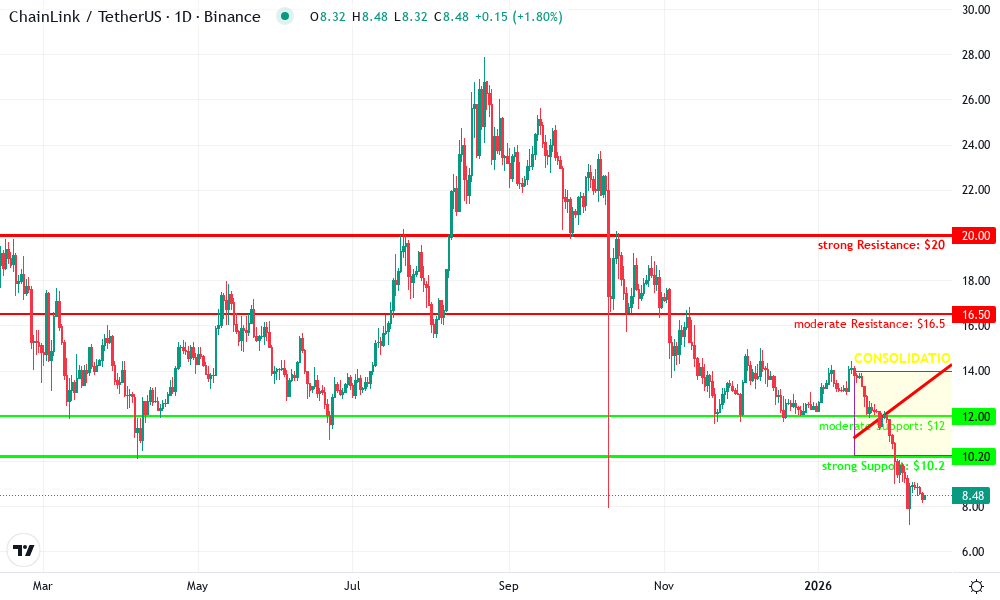
As Johnathan Hale, employ conservative drawing strategies emphasizing risk-defined zones: Initiate a primary downtrend 'trend_line' connecting the cycle high at 28.00 USDT on 2026-08-05 to the recent trough at 11.00 USDT on 2026-01-15, with 0.9 confidence, to highlight prolonged bearish pressure. Supplement with an earlier uptrend 'trend_line' from 13.50 USDT on 2026-05-20 to 25.50 USDT on 2026-07-20 (0.8 confidence). Mark 'horizontal_line's at supports (10.20 strong, 12.00 moderate) and resistances (14.00 weak, 16.50 moderate, 20.00 strong). Enclose the late-2025 consolidation in a 'rectangle' from 2026-11-01 (14.00 USDT) to 2026-01-15 (10.20-12.00 USDT). Annotate volume distribution spike with 'callout' at 2026-10-01 downturn, MACD bearish crossover with 'arrow_mark_down' near 2026-11-15, and breakdown event with 'vertical_line' at 2026-10-05. Use 'text' for risk notes and 'long_position' hypotheticals only above 14.00 with strict stops.
Risk Assessment: high
Analysis: Bearish trend intact, low volume on upside attempts, compounded by fundamental oracle competition and prediction market liquidity fragmentation; low tolerance profile deems entry premature without compliance-vetted catalysts
Johnathan Hale's Recommendation: Stand aside; prioritize cash preservation and monitor for regulatory clarity in AI oracle integrations before considering long-term accumulation above 14.00
Key Support & Resistance Levels
📈 Support Levels:
- $10.2 - Strong multi-touch low, volume cluster confirmation strong
- $12 - Moderate prior swing low, tested thrice moderate
📉 Resistance Levels:
- $14 - Weak recent high, minimal defense weak
- $16.5 - Moderate November rejection zone moderate
- $20 - Strong prior support-turned-resistance from rally strong
Trading Zones (low risk tolerance)
🎯 Entry Zones:
- $13.8 - Conservative long entry only on confirmed break above 14 resistance with volume surge and MACD bullish cross, aligning low-risk tolerance low risk
🚪 Exit Zones:
- $16.5 - Initial profit target at moderate resistance 💰 profit target
- $10 - Tight stop below strong support to cap downside 🛡️ stop loss
Technical Indicators Analysis
📊 Volume Analysis:
Pattern: distribution
High-volume spike on October breakdown, fading volume on rebounds signals weak hands exiting
📈 MACD Analysis:
Signal: bearish
Prolonged bearish histogram with divergence at peak, recent crossover reinforces downtrend
Applied TradingView Drawing Utilities
This chart analysis utilizes the following professional drawing tools:
Disclaimer: This technical analysis by Johnathan Hale is for educational purposes only and should not be considered as financial advice. Trading involves risk, and you should always do your own research before making investment decisions. Past performance does not guarantee future results. The analysis reflects the author's personal methodology and risk tolerance (low).
Sparkco AI's regulatory bets underscore utility: unified feeds normalize timelines for stablecoin passage, curbing fragmentation. Traders arbitrage these cleanly, boosting liquidity as AI parses legalese into probabilities.
Looking ahead, DeFi oracle feeds will embed in protocols for dynamic risk parameters, adjusting collateral ratios per oracle signals. Protocols ignoring this lag; those embracing compound via precise capital allocation. In Web3's churn, hybrid oracles offer the ballast for enduring portfolios, where verifiable predictions eclipse fleeting pumps. Sustainable architectures prevail, rewarding patience over FOMO.




No comments yet. Be the first to share your thoughts!