

In the evolving landscape of blockchain, hybrid AI oracles stand out as a conservative yet transformative force, bridging the gap between probabilistic AI predictions and the immutable certainty of on-chain settlement. As a veteran observer of market cycles, I've long held that reliable data feeds are the bedrock of any sustainable trading ecosystem. Today, these oracles enable AI agent coordination blockchain mechanisms that power on-chain prediction markets AI, allowing autonomous agents to negotiate, resolve disputes, and settle outcomes with minimal human intervention. This fusion not only enhances efficiency but tempers the volatility inherent in DeFi environments.
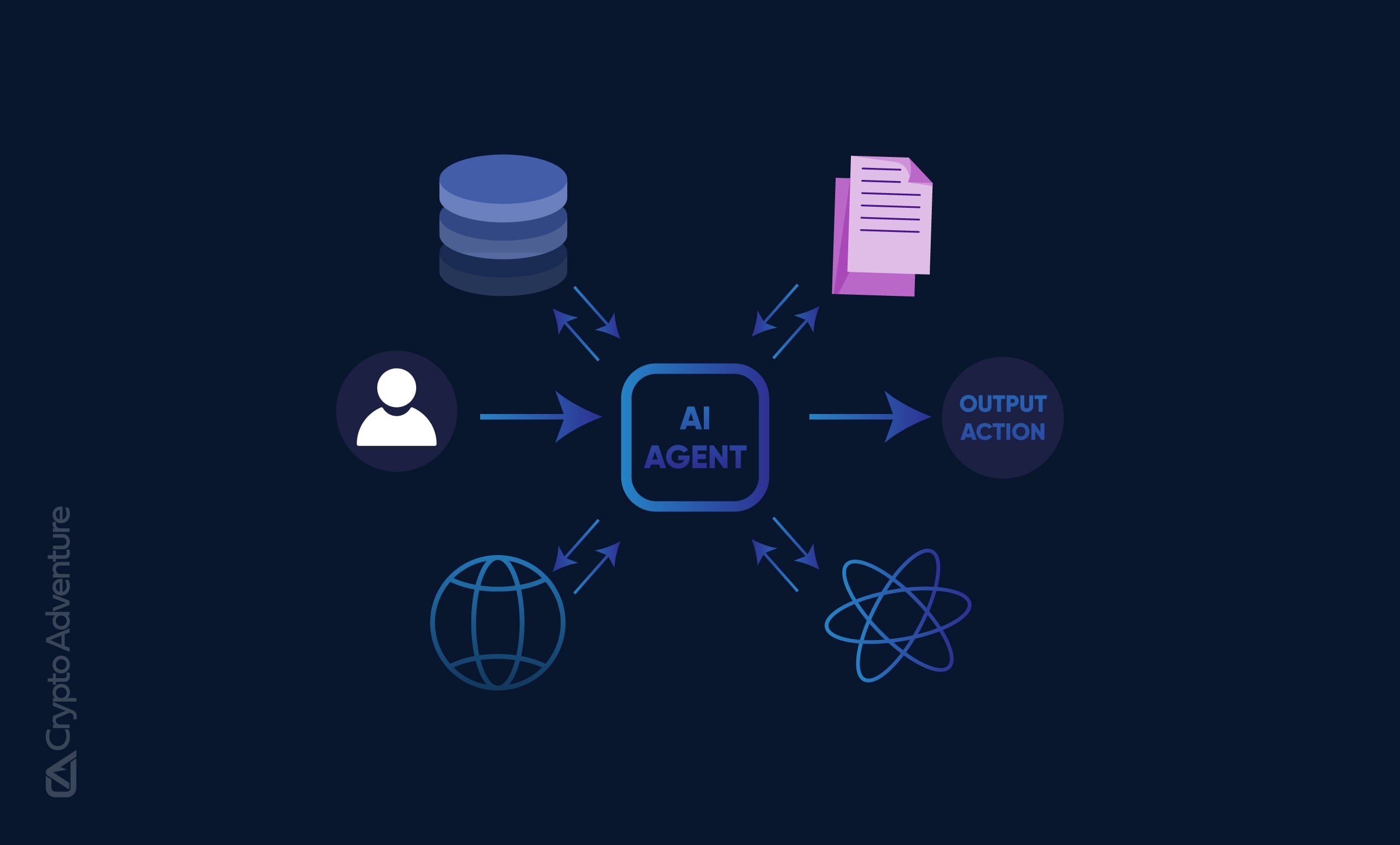
Consider the challenges of traditional oracles: they excel at pulling objective data like prices or weather stats, but falter on subjective events such as geopolitical developments or cultural shifts. Hybrid AI oracles address this by deploying networks of large language models and specialized agents to deliberate and consensus-build on complex queries. In prediction markets, where liquidity hinges on trust in resolutions, this approach correlates TradFi-grade verification with Web3's permissionless access, a combination I view as low-risk innovation.
GenLayer Pioneers AI-Native Dispute Resolution
GenLayer emerges as a frontrunner in this space, positioning itself as an AI-native trust layer and synthetic jurisdiction on-chain. By integrating generative AI directly into its protocol, GenLayer facilitates real-time prediction markets where agents handle intricate events, from elections to diplomatic maneuvers. Their infrastructure supports multi-round negotiations between AI agents on smart contracts, complete with static analysis and formal verification. This isn't mere hype; it's a pragmatic evolution for DeFi AI agents oracle systems, enabling autonomous governance, AI-native DAOs, and decentralized research without centralized chokepoints.
From my perspective, GenLayer's strength lies in its conservative design: it connects natively to the internet for data ingestion while achieving consensus on subjective decisions. Much like commodities markets rely on standardized grading, GenLayer enforces digital contracts through AI resolvers, reducing disputes that plague nascent prediction platforms. Applications span community-driven event trading to influencer-curated markets, all underpinned by verifiable agent interactions.
Intelligent Oracle's Decentralized Validators in Action
Core Advantages of Hybrid AI Oracles
- Improved Dispute Resolution: Protocols like GenLayer use AI to resolve disputes and enforce digital contracts on-chain, while Chaos Labs' Edge AI Oracle employs multi-agent systems for precise resolutions in prediction markets.
- Scalable Agent Coordination: GenLayer enables multi-agent systems for real-time prediction markets and AI-native DAOs, with Talus supporting Agent vs Agent competitions to coordinate AI performance.
- Transparent On-Chain Voting: DeAgent AI aggregates votes from multiple AI agents recorded on-chain for verifiable results, complemented by GenLayer's on-chain negotiation and verification.
- Cost-Effective Real-World Data Fusion: Intelligent Oracle provides rapid finality at minimal cost via AI-driven validators integrating real-world data into blockchain applications.
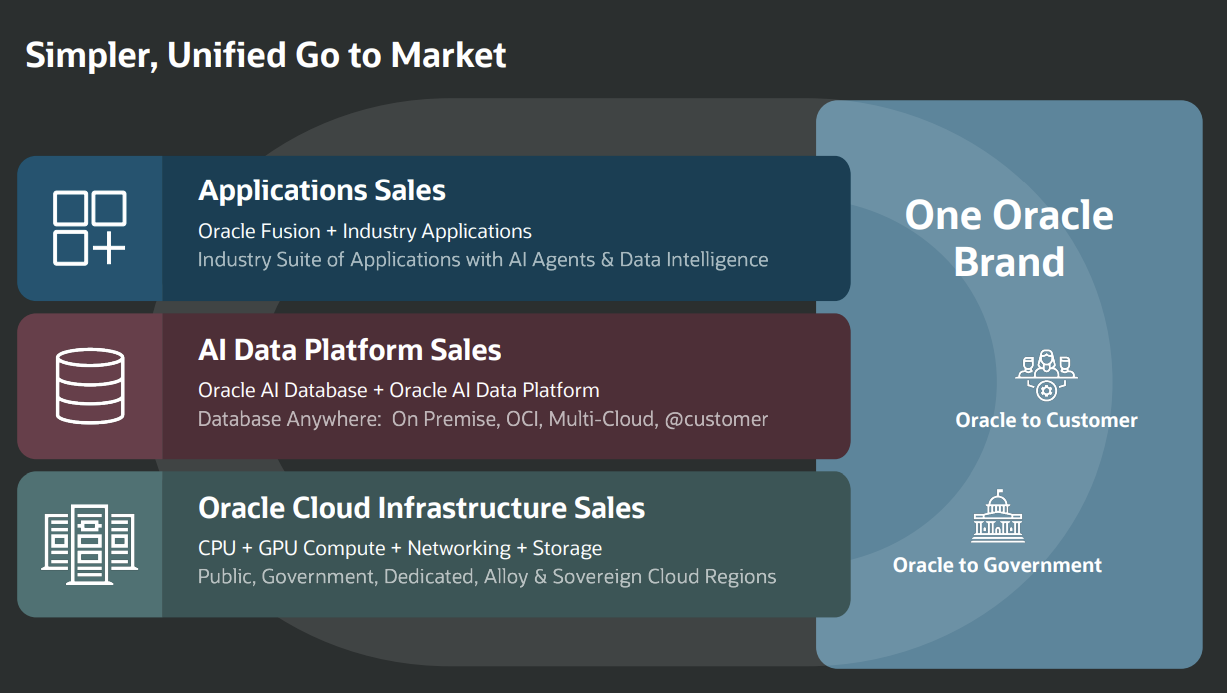
- Enhanced Prediction Market Liquidity: Platforms like Oracle AI and Talus facilitate trading on AI-resolved markets and agent competitions, boosting liquidity through decentralized AI consensus.
Building on similar principles, Intelligent Oracle deploys AI-driven validators for interpreting real-world data, ensuring rapid finality at low cost. Their decentralized consensus mechanism involves multiple validators cross-checking outputs, a method that mirrors bond market collateral assessments in its rigor. This is particularly vital for scaling on-chain prediction markets AI, where delays or inaccuracies can erode trader confidence.
In practice, these validators process queries through layered deliberation, aggregating insights before on-chain submission. As someone who's navigated 20 years of market uncertainties, I appreciate how this mitigates oracle risks like manipulation or downtime, fostering environments where AI agents can coordinate seamlessly for AI forecasting onchain data.
Chaos Labs and the Rise of Multi-Agent Resolution Systems
Chaos Labs takes agent coordination further with their Edge AI Oracle, orchestrating a network of LLMs to resolve prediction markets objectively. This multi-agent system processes queries through decentralized deliberation, recording votes on-chain for transparency. It's a thoughtful counter to single-point failures, aligning with my advocacy for diversified risk in volatile crypto cycles.
Similarly, Oracle AI's protocol lets users spawn markets on any topic, with AI agents managing resolutions via consensus. Talus introduces Agent vs Agent competitions, turning AI performance into bettable events, while DeAgent AI tackles subjective judgments through independent agent assessments and aggregated on-chain votes. These protocols collectively underscore a maturing ecosystem where hybrid AI oracles enable precise, verifiable outcomes.
Yet, as with any frontier technology, hybrid AI oracles carry inherent risks that demand scrutiny. Hardware centralization in AI-native blockchains poses a vulnerability, where reliance on few compute providers could mirror the single points of failure seen in early TradFi clearinghouses. Model exploits, legal ambiguities around AI decisions, and potential biases in training data further complicate adoption. From my vantage point, protocols succeeding here prioritize layered safeguards, such as diverse validator pools and formal verification, to align AI agent coordination blockchain with proven risk management principles.
Mitigating Risks Through Multi-Agent Deliberation
GenLayer exemplifies this caution by embedding AI resolvers within a synthetic jurisdiction framework, where agents negotiate terms iteratively before on-chain enforcement. Their approach to subjective consensus, drawing from internet-connected data streams, tempers optimism with verifiable steps. Similarly, DeAgent AI's independent assessments aggregate into deterministic votes, a method that echoes bond rating agencies' committee processes, reducing outlier influences.
In multi-agent systems like Chaos Labs' Edge AI Oracle, LLMs deliberate in rounds, cross-validating outputs to minimize exploits. This decentralized orchestration not only boosts accuracy for on-chain prediction markets AI but also scales to handle high-volume events, from sports outcomes to policy shifts. Talus' Agent vs Agent model adds a competitive layer, where market forces test agent reliability, fostering natural selection among performers.
Intelligent Oracle and Oracle AI complement these by focusing on cost efficiency and broad market creation. Rapid finality without exorbitant fees positions them as enablers for retail traders, correlating agent outputs with on-chain liquidity in a low-risk manner.
Standardization and Ecosystem Interoperability
Progress hinges on standards like ERC-8004, an on-chain agent registry allowing AI entities to publish identities and endpoints. This foundational layer supports ecosystems such as Molt, with tools like Moltbook and MoltMatch facilitating agent discovery and collaboration. Imagine AI agents from GenLayer interfacing seamlessly with Talus markets via registered services; this interoperability could unify fragmented DeFi AI agents oracle landscapes, much like ISO standards stabilized commodities trading decades ago.
Curated ecosystems amplify this, listing platforms for agent-driven research and governance. Yet, I remain conservative: true maturity requires battle-tested registries resistant to sybil attacks, ensuring only credible agents participate in AI forecasting onchain data feeds.
Comparison of Key Hybrid AI Oracle Projects
| Project | Core Mechanism | Key Use Cases | Risk Mitigations |
|---|---|---|---|
| GenLayer | Multi-agent negotiation and formal verification | Prediction markets, AI-native DAOs, autonomous governance | Formal verification and static analysis |
| Intelligent Oracle | AI validators consensus with decentralized checks | Real-world data feeds, scalable prediction markets | Decentralized cross-checks for data integrity |
| Chaos Labs Edge AI | LLM orchestration in multi-agent systems | Prediction market resolutions | Aggregated votes from decentralized agents |
| DeAgent AI | Independent assessments by multiple AI agents | Subjective queries, prediction markets, governance | On-chain aggregation of votes |
These comparisons reveal a spectrum of strengths, from GenLayer's jurisdictional depth to Chaos Labs' query processing finesse. Traders and protocols benefit by selecting based on event type, blending oracles for hybrid feeds that enhance prediction accuracy.
Looking toward 2026, AI-native blockchains will likely mature through such integrations, powering autonomous economies where agents coordinate trades, governance, and research. Yet, adoption will favor conservative implementations, those fusing AI's foresight with blockchain's auditability. This evolution resonates with my long-held view: time in robust markets outweighs speculative timing. Hybrid AI oracles, when wielded judiciously, fortify DeFi against uncertainties, paving a verifiable path for on-chain intelligence.




No comments yet. Be the first to share your thoughts!