
AI regulation 2026: limits to account for
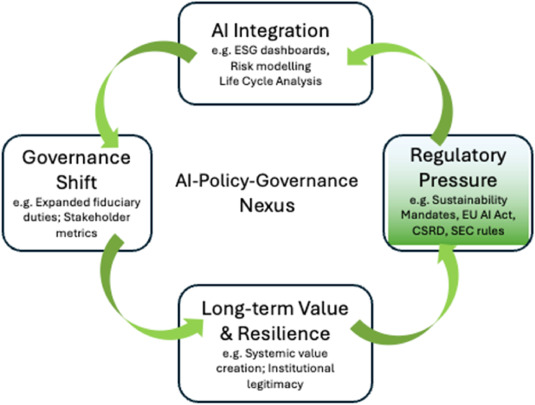
The regulatory landscape for enterprise AI is shifting from voluntary guidelines to enforceable compliance by 2026. For US and EU organizations, the primary constraint is no longer technical capability but legal adherence. The European Union’s AI Act sets the baseline, with transparency rules taking effect in August 2026. Member states must establish national AI regulatory sandboxes by this date, creating a structured environment for testing high-risk systems before full deployment.
In the United States, regulation remains fragmented but increasingly prescriptive. While federal executive orders provide a framework, sector-specific agencies like the FTC and FDA are issuing binding guidance. The focus is on transparency, bias mitigation, and consumer protection. Companies must manage this dual-track system, ensuring their AI models meet both EU transparency standards and US sectoral requirements.
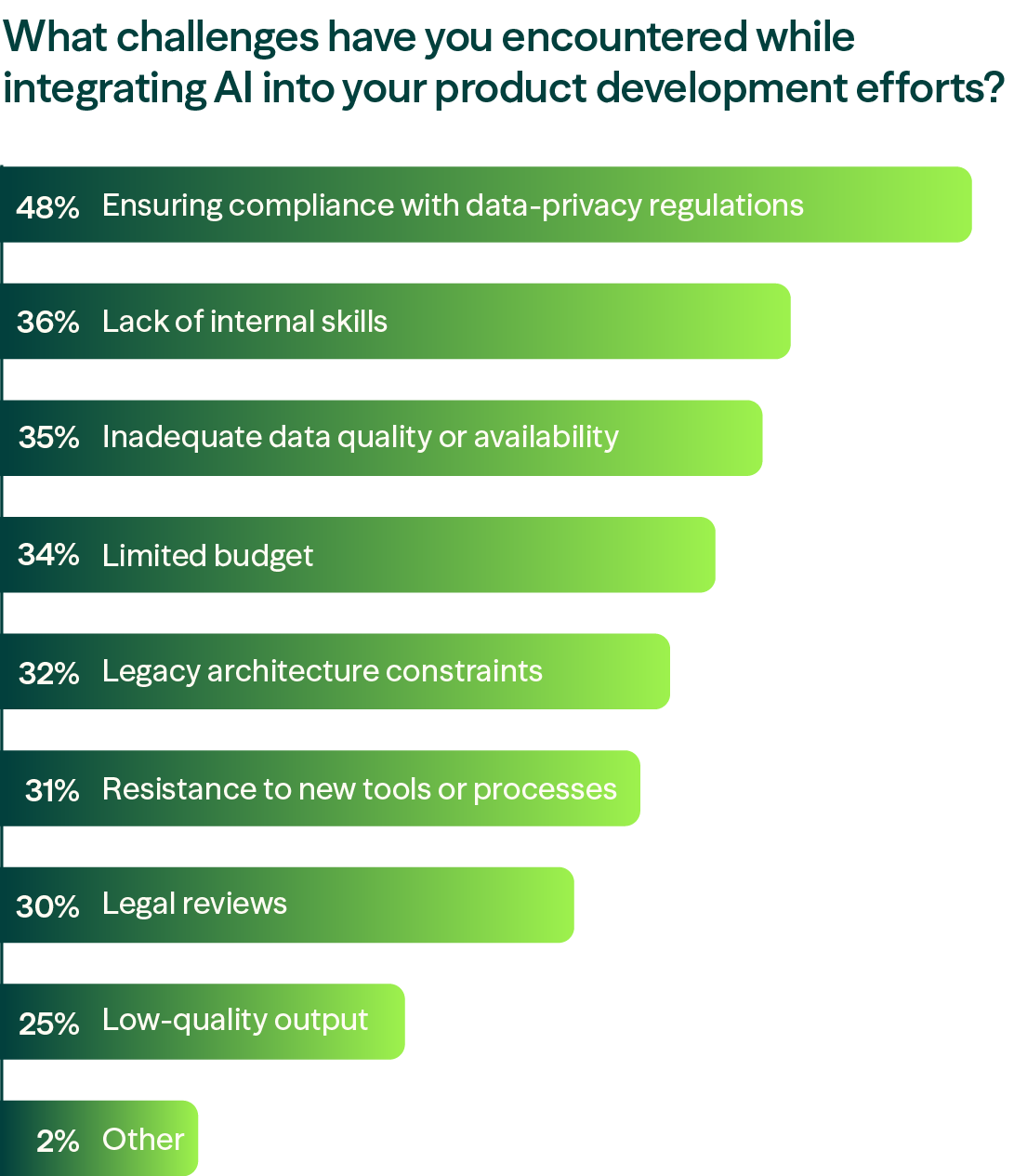
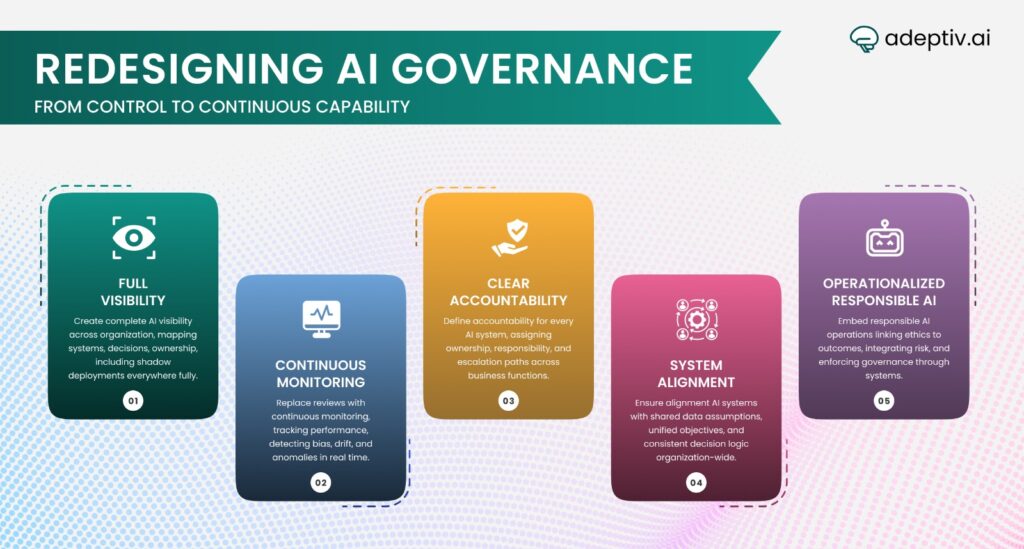
The core challenge for enterprises is integration. Compliance is not a one-time audit but a continuous process. Organizations must embed regulatory checks into their AI development lifecycle, from data sourcing to model deployment. This includes maintaining detailed documentation of model training data, decision-making processes, and risk assessments. Failure to do so can result in significant fines and reputational damage.
To stay ahead, enterprises should adopt a proactive compliance strategy. This involves regular internal audits, staff training on regulatory updates, and engaging with legal experts early in the development process. By treating regulation as a constraint that shapes innovation rather than hinders it, companies can build more trustworthy and sustainable AI systems.
AI regulation 2026: choices that change the plan
By 2026, the regulatory landscape for enterprise AI is no longer a single path but a complex matrix of overlapping obligations. Companies operating across borders must manage the rigid risk classifications of the European Union alongside the more fragmented, state-level approaches in the United States. This section breaks down the concrete factors you need to evaluate to determine whether your AI systems are compliant or exposed to liability.
The primary tension lies between innovation speed and regulatory certainty. The EU AI Act provides a clear, albeit strict, framework based on risk levels, while the US relies heavily on executive orders and sector-specific guidance. Understanding these differences is essential for resource allocation and compliance strategy.
| Factor | EU AI Act (2026) | US Framework (2026) | Enterprise Impact |
|---|---|---|---|
| Risk Classification | Explicit tiers: unacceptable, high, limited, minimal | Sector-specific and state-by-state; no unified federal tier | EU requires detailed documentation for high-risk AI; US requires case-by-case legal review |
| Transparency Rules | Mandatory disclosure for generative AI training data and outputs | Voluntary guidelines; emerging state laws (e.g., California, New York) | EU compliance demands data lineage tracking; US focuses on consumer disclosure notices |
| Enforcement Authority | National supervisory authorities with significant fines | FTC and sector regulators (HIPAA, SEC); limited federal coordination | EU fines can reach 7% of global turnover; US penalties are often sector-specific |
| Regulatory Sandboxes | Mandatory national sandboxes by August 2026 | Limited federal sandboxes; mostly industry-led initiatives | EU offers a testing ground for compliance; US requires internal legal validation |
When evaluating these tradeoffs, start by mapping your AI systems against the EU’s high-risk criteria. If your model falls into this category, you must prepare for extensive documentation, including data governance, technical documentation, and post-market monitoring. In the US, the focus shifts to sector-specific compliance, such as HIPAA for healthcare or SEC guidelines for financial services. This fragmented approach means you may need different compliance teams for different jurisdictions.
Another critical factor is the transparency requirement. The EU AI Act mandates that users be informed when they are interacting with AI, particularly in generative AI contexts. This means updating user interfaces, adding disclaimers, and ensuring training data transparency. In the US, while federal guidelines are less prescriptive, state laws like those in California are beginning to require similar disclosures. Failure to comply can result in reputational damage and potential litigation.
Finally, consider the enforcement landscape. The EU’s unified supervisory authority structure means a single violation can trigger investigations across multiple member states. The US, with its decentralized regulatory body, may result in multiple, potentially conflicting, enforcement actions. This difference impacts how you allocate compliance resources and how you structure your internal audit processes.
How to align your AI stack with 2026 regulations
By August 2026, the EU AI Act’s transparency rules take effect, and US agencies are rolling out sector-specific compliance mandates. This section walks you through the practical steps to audit your models, patch gaps, and document your governance framework before the deadlines hit.

List every AI system in production. The EU AI Act classifies them into Unacceptable, High, Limited, and Minimal risk. Most enterprise tools fall into High or Limited. Identify which ones impact hiring, credit, or critical infrastructure—these require immediate compliance attention.
High-risk models must demonstrate traceable data sources. Pull your training logs and flag any datasets scraped without consent or lacking clear licensing. The US Executive Order 14110 emphasizes safe, secure, and trustworthy AI development, so ensure your data pipelines meet these safety standards.
The EU AI Act requires clear labeling of AI-generated content. Add visible watermarks or metadata tags to outputs. For US compliance, review the NIST AI Risk Management Framework for guidance on documenting model limitations and potential biases to stakeholders.

For high-risk decisions, ensure a qualified human reviewer approves final outputs. Document this process in your internal policy. This step is critical for both EU and US regulators who prioritize human oversight over full automation in sensitive sectors.
Regulations are evolving. Set up a recurring review cycle to update your risk assessments and documentation. The EU AI regulatory sandbox, mandated by Article 57, offers a testing ground for new compliance strategies—consider participating to stay ahead of enforcement actions.
Watch for misleading claims and weak options
Many vendors claim their tools are "AI Act ready" before the transparency rules take effect in August 2026. These early assurances often ignore the specific documentation requirements for high-risk systems. You must verify that compliance is built into the workflow, not just added as a final report.
Spot the weak options
Some platforms offer superficial audits that miss critical data lineage gaps. A "compliance checkbox" is not a governance framework. Look for tools that provide automated bias detection and clear model cards. If the vendor cannot show real-time risk monitoring, the option is likely weak.
Common mistakes to avoid
Organizations often assume that US executive orders provide the same rigid structure as the EU AI Act. They do not. The US approach is sector-specific and relies more on existing agency powers. Assuming equivalence leads to gaps in your global strategy. You need separate controls for each region.
Proof checks
Before signing a contract, request a demonstration of the system’s explainability features. Ask how the vendor handles data residency and model versioning. Verify that their claims align with the latest official guidance from the European Commission or relevant US agencies.
AI regulation 2026: what to check next
The regulatory landscape is shifting from voluntary guidelines to enforceable law. Here are the practical answers to the most common questions about AI governance in 2026.
No comments yet. Be the first to share your thoughts!