

In the high-stakes arena of decentralized finance, where smart contracts execute trades worth billions in seconds, the quality of off-chain data determines survival. Traditional oracles delivered raw feeds, but today's DeFi protocols AI oracles fuse predictive intelligence with onchain verification, turning uncertainty into strategic advantage. As a commodities analyst who's tracked physical markets for 16 years, I've seen how reliable data bridges worlds; now, onchain data fusion tools do the same for blockchain, echoing real asset dynamics in crypto derivatives.
This shift isn't hype. Recent integrations like HyperOracle's zkOracle with Polygon's CDK enable verifiable onchain AI inference for stablecoins and dApps, while USD. AI leverages Chainlink for tamper-proof rates on its $580 million TVL protocol. These tools empower developers to build protocols that adapt in real time, mitigating risks that felled predecessors like Luna.
Evolving Oracles: From Data Pipes to Predictive Engines
Blockchain oracles started as simple bridges, pulling prices or weather data into smart contracts. But in 2025 and beyond, AI infuses them with foresight. Chainlink's Data Streams deliver sub-second liquidity and volatility metrics, crucial for risk management in lending or perpetuals. Meanwhile, frameworks like AiRacleX use LLMs to detect oracle manipulations, scanning contracts for subtle exploits that traditional audits miss.
Consider V-ZOR's quantum-driven ZKPs for cross-chain relays: by randomizing reporter selection, it slashes bridge risks, a persistent DeFi Achilles' heel. My view? These aren't add-ons; they're foundational for blockchain protocol security. Commodities taught me that ignoring data granularity leads to blowups, like oil shocks from lagged reports. Crypto amplifies this: a 1% oracle deviation can cascade into millions lost.
Onchain Data Fusion: The Core Mechanic for Smarter Protocols
Onchain data fusion tools blend AI forecasts with live blockchain states, creating hybrid feeds that protocols can trust. AI-Oracle hybrids, like those from our platform at aifeedoracle. com, layer probabilistic predictions over verified tx data, ideal for real-time DeFi forecasting. Developers integrate these via modular APIs, pulling fused datasets into Solidity or Rust contracts.
Take USD. AI's Chainlink adoption: it secures yield-bearing synthetics by fusing off-chain rates with onchain collateral checks. This isn't passive; AI models anticipate volatility spikes, adjusting parameters pre-emptively. In my hybrid fundamental-technical approach, this mirrors trend-following in futures markets, where onchain echoes commodities' supply-demand pulses.
Key AI Oracle Advancements in DeFi
- HyperOracle zkOracle on Polygon CDK: Integrates zkOracle with Polygon's Chain Development Kit for verifiable computation, onchain AI inference, and advanced DeFi apps like decentralized stablecoins. Details
- USD.AI Chainlink Integration: Yield-bearing synthetic dollar protocol ($580M TVL) adopts Chainlink oracles for accurate onchain rates and tamper-proof market data. Details
- Chainlink Data Streams: Low-latency oracle solution delivers sub-second data for real-time DeFi risk management, liquidity, and volatility insights. Details
- AiRacleX Manipulation Detection: LLM-powered framework automates detection of price oracle manipulations in DeFi via context-aware prompts and smart contract analysis. Paper

- V-ZOR Quantum ZKP Relays: Verifiable oracle relay uses ZKPs and quantum randomness for secure cross-chain data, mitigating bridge and oracle risks. Paper

Arming Developers with AI Hybrid Feeds
For AI hybrid feeds developers, the toolkit expands rapidly. Start with oracle SDKs that support intent-based execution, where users specify outcomes and AI routes optimally. Supra's AI-native middleware powers this, evolving DeFi from rigid AMMs to adaptive engines. Chainlink's oracle-AI intersections verify model outputs onchain, ensuring outputs aren't just smart but tamper-proof.
Practically, fuse tools via composable layers: ingest raw feeds, apply ML for anomaly detection, then attest with ZK proofs. This stack fortifies perps against flash crashes or options against black swans. Opinion: protocols ignoring this will lag, as markets reward precision. We've seen it in commodities; crypto's speed just accelerates the lesson.
Building these resilient systems demands hands-on fusion of AI oracles with protocol logic, where developers script the intelligence directly into contracts. This isn't theoretical; it's deployable now, transforming DeFi protocols AI oracles from peripherals to core engines. Platforms like AI Feed Oracle provide the scaffolding: hybrid feeds that developers query for fused states, blending Chainlink's low-latency streams with predictive layers tuned for volatility regimes.
Practical Fusion: Integrating Tools into Your DeFi Stack
Let's drill into execution. Onchain data fusion tools shine in lending protocols or DEXs, where AI anticipates liquidations before they hit. HyperOracle's Polygon CDK integration exemplifies this: zk-proofs verify AI inferences onchain, powering stablecoins that self-adjust yields based on fused market signals. USD. AI's Chainlink pivot secures its $580 million TVL by fusing rates with collateral ratios, a blueprint for synthetic assets.
Integrate AI Oracles into Solidity DeFi Lending: Secure Setup Guide
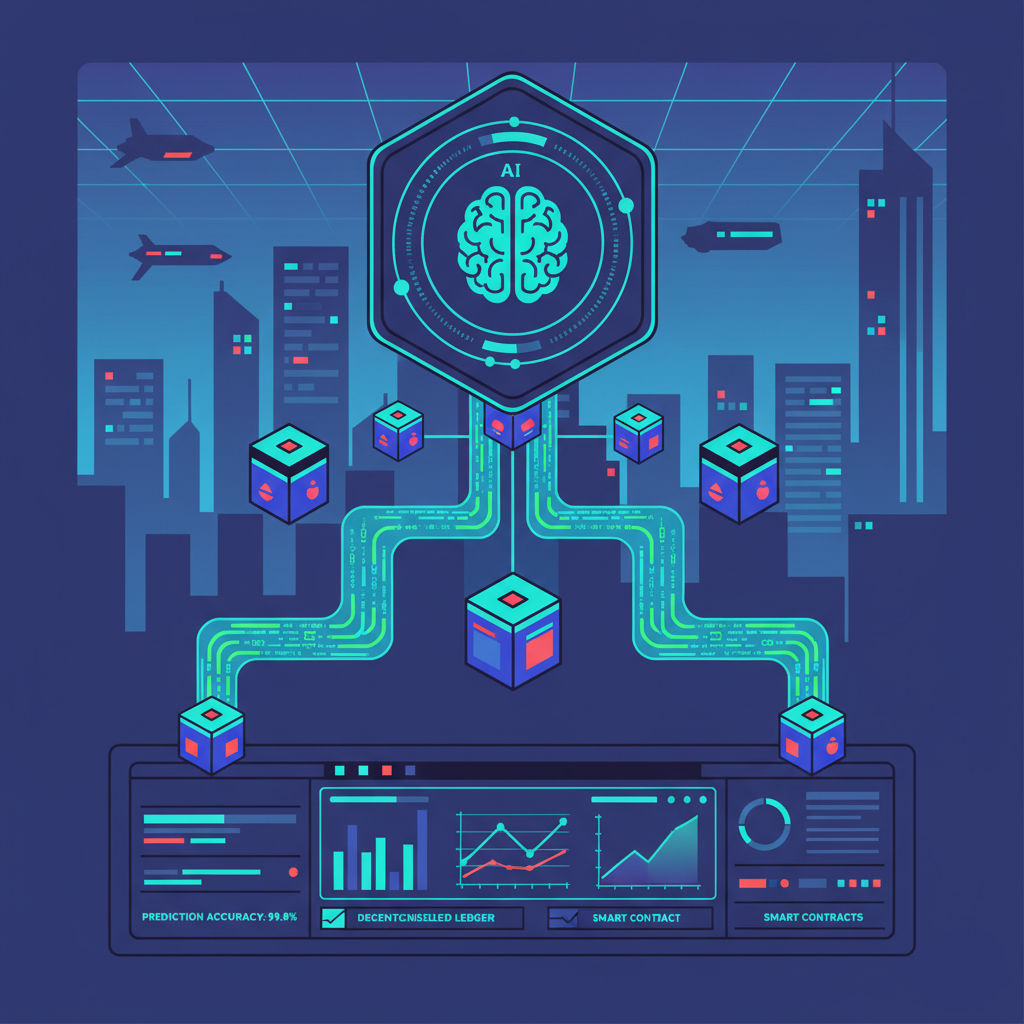
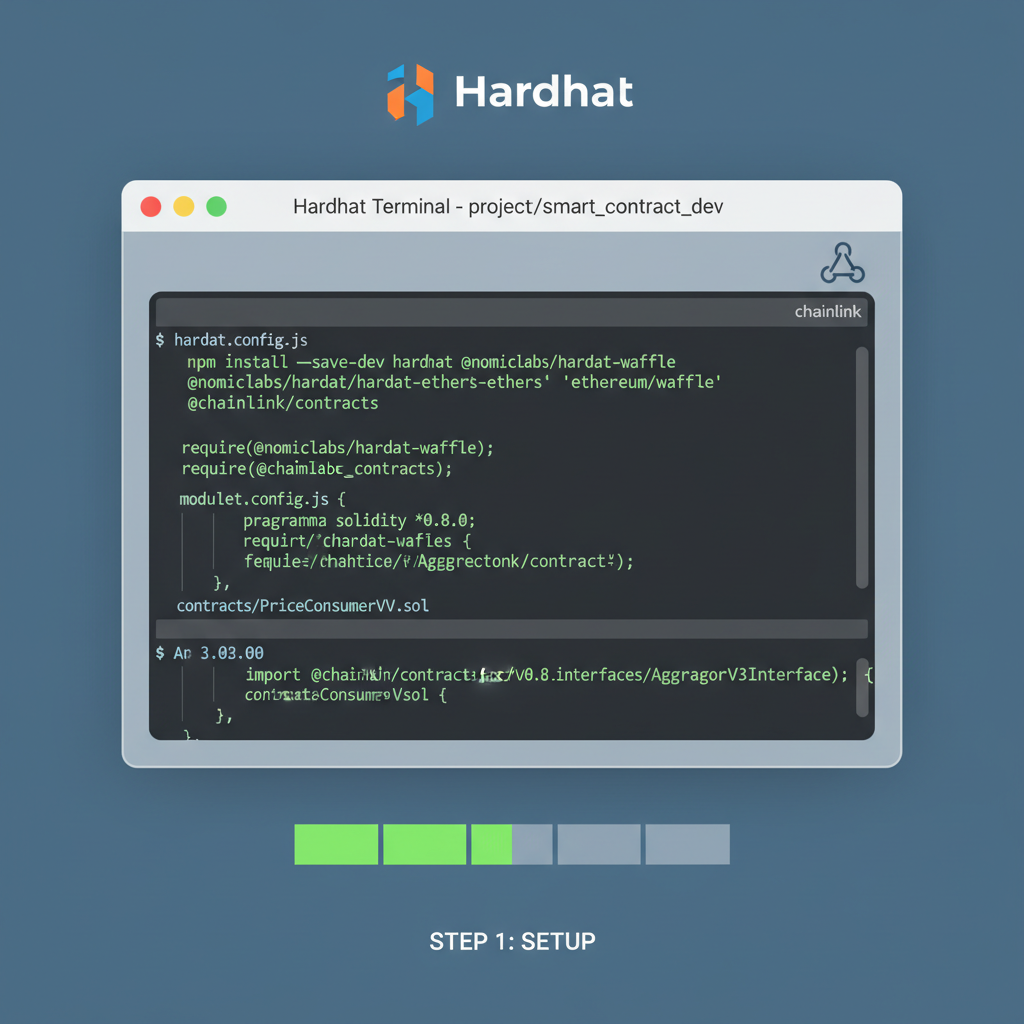
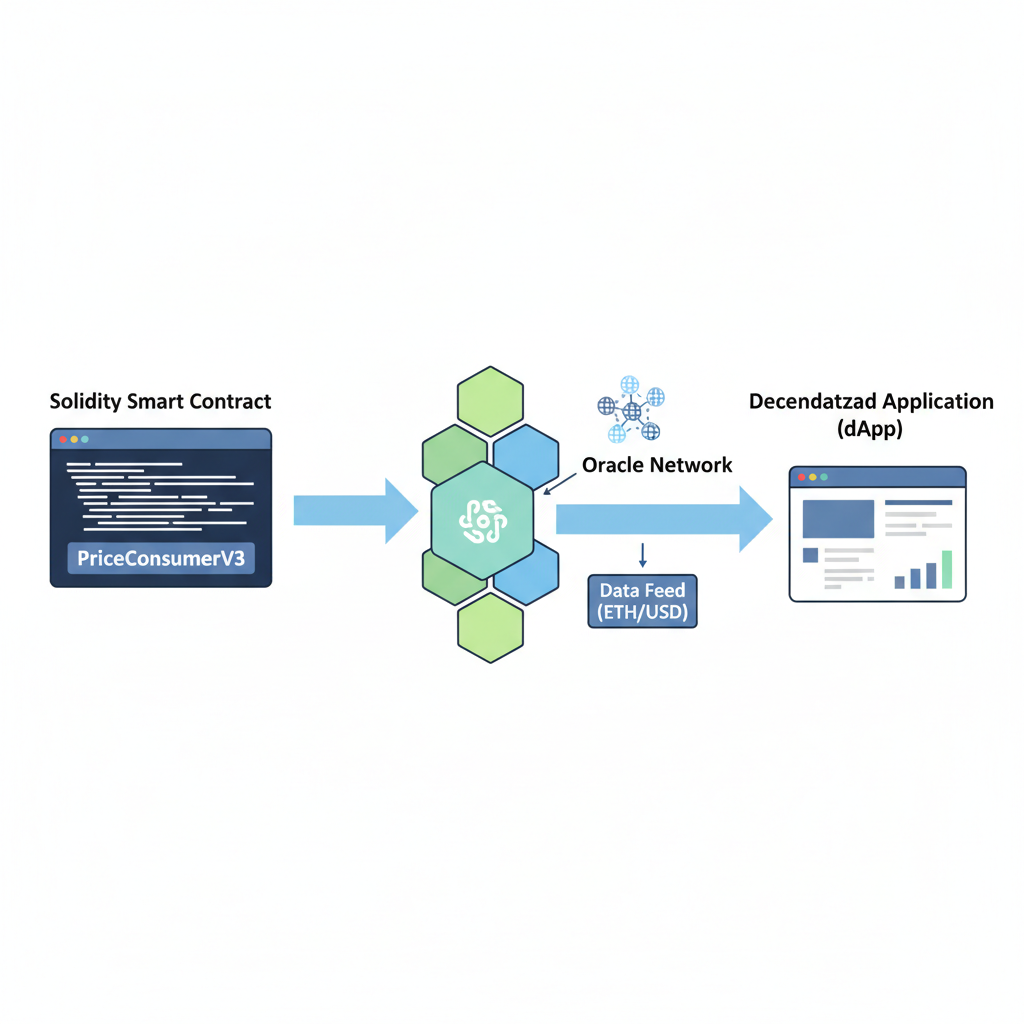
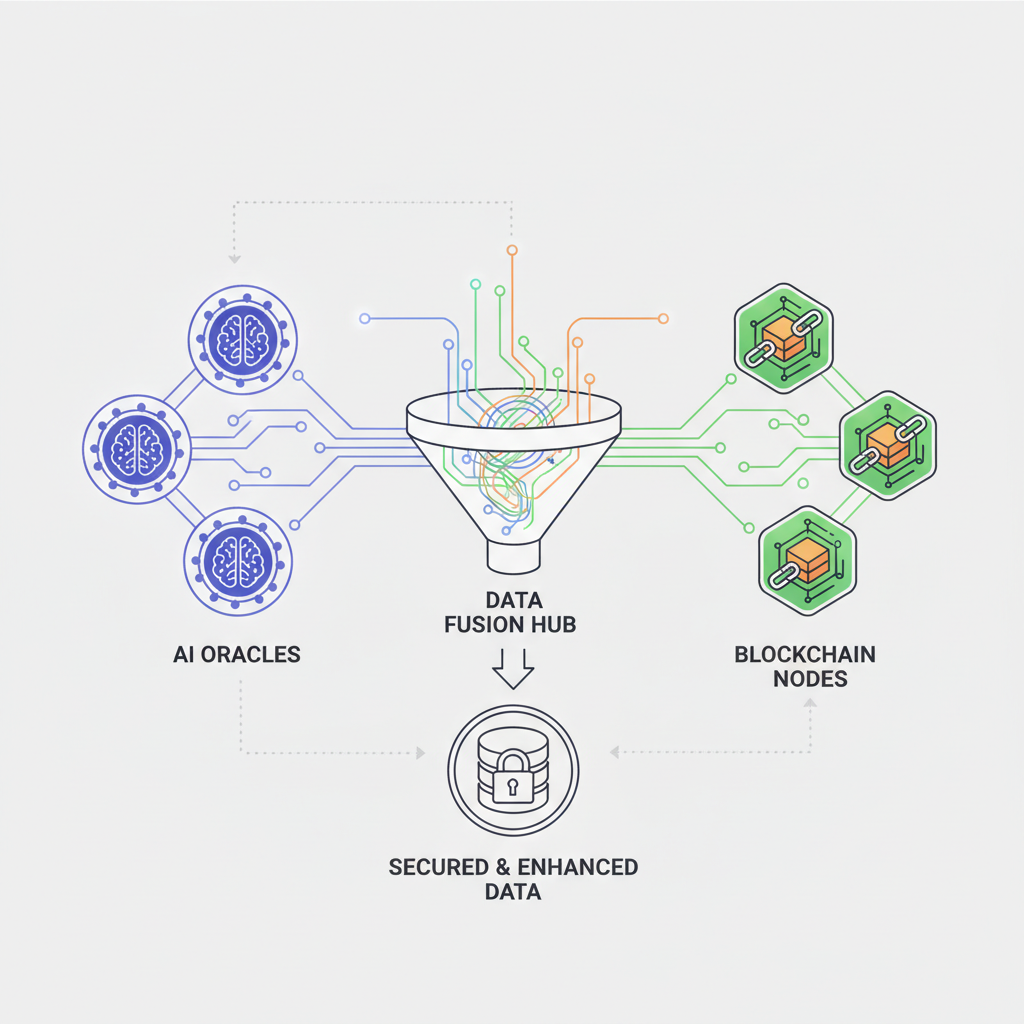
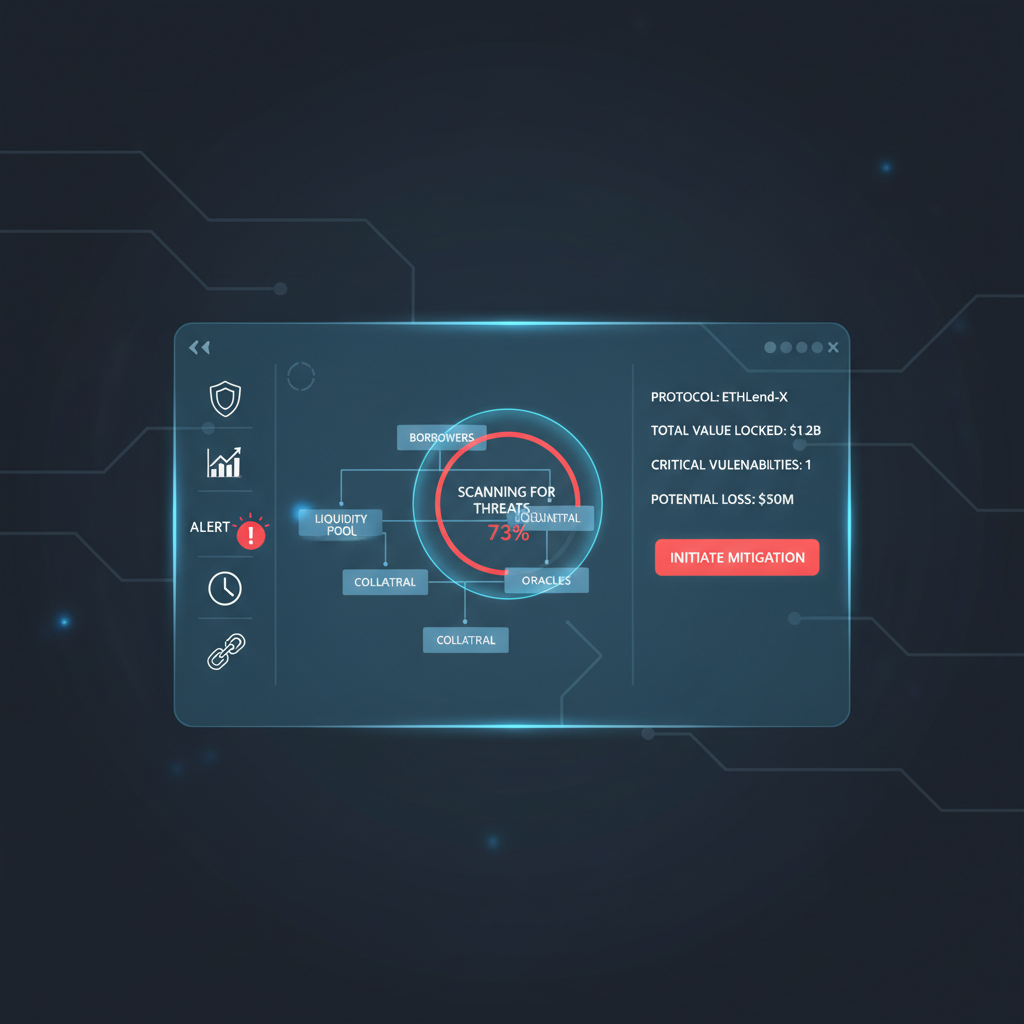
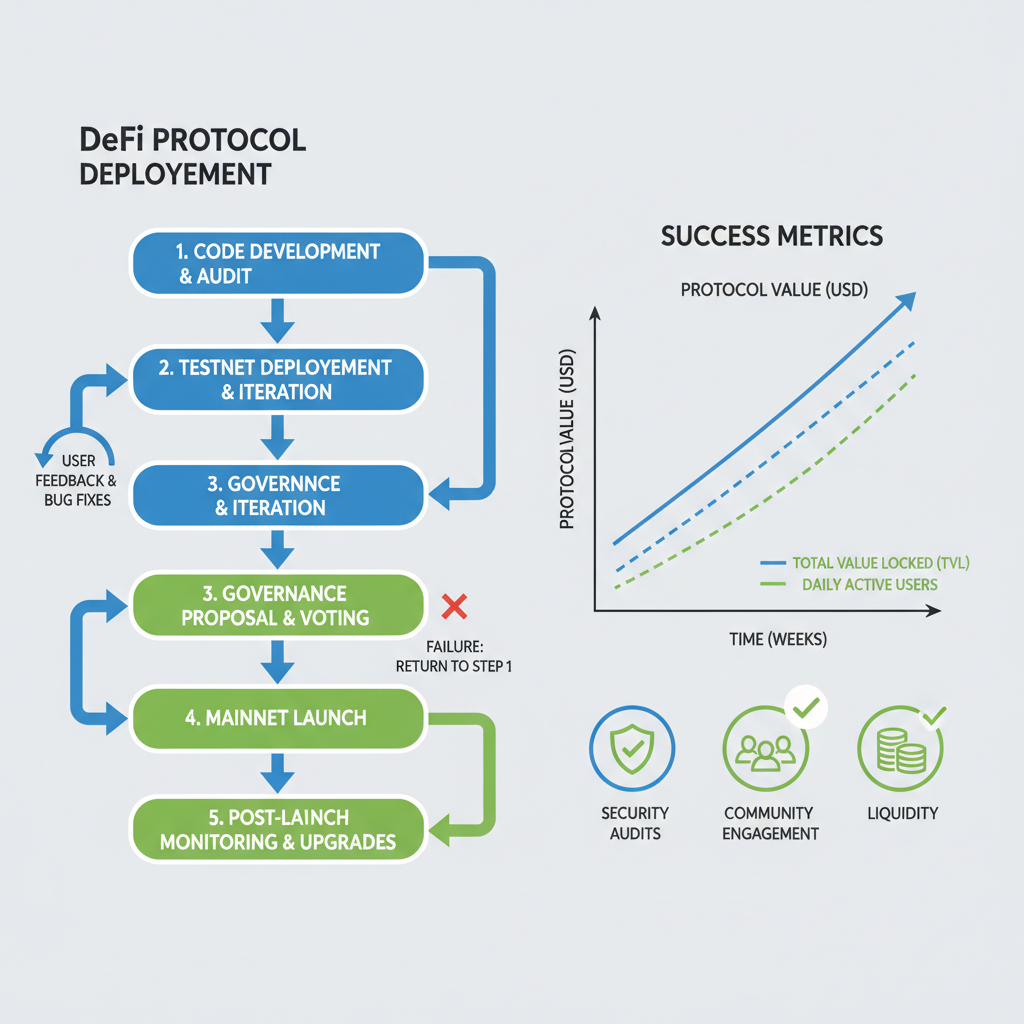
Security layers compound the edge. AiRacleX automates manipulation hunts, prompting LLMs to flag contract vulnerabilities rooted in oracle skews. Pair this with V-ZOR's quantum randomness for reporter selection, and cross-chain bridges harden against exploits that drained billions. My take: treat fusion as defense-in-depth; commodities volatility taught me layered signals beat single-source bets every time.
Code-Level Precision: Solidity Patterns for Hybrid Feeds
Developers thrive on code that fuses seamlessly. Query AI hybrid feeds via standardized interfaces, then attest outputs with ZK or Chainlink proofs. This pattern scales for perps, where real-time volatility forecasts trigger dynamic funding rates, outpacing rigid TWAPs.
Solidity: Chainlink Data Streams + AI Forecast Fusion for Dynamic Liquidation Thresholds
To strategically enhance risk management in DeFi lending protocols, integrate Chainlink Data Streams for low-latency market data with AI-driven volatility forecasts. This enables dynamic adjustment of liquidation thresholds, proactively tightening them during anticipated turbulence while maintaining efficiency.
```solidity
// SPDX-License-Identifier: MIT
pragma solidity ^0.8.19;

import {IDataStream} from "@chainlink/contracts/src/v0.8/interfaces/IDataStream.sol";
import {Ownable} from "@openzeppelin/contracts/access/Ownable.sol";

contract DynamicLendingProtocol is Ownable {
    IDataStream public immutable priceStream;
    IDataStream public immutable aiForecastStream;

    uint256 public constant BASE_LIQUIDATION_THRESHOLD = 110; // 1.10x or 110%

    constructor(IDataStream _priceStream, IDataStream _aiForecastStream) {
        priceStream = _priceStream;
        aiForecastStream = _aiForecastStream;
    }

    /// @notice Computes dynamic liquidation threshold by fusing real-time price
    /// from Chainlink Data Streams with AI volatility forecast
    function getDynamicLiquidationThreshold() public view returns (uint256) {
        // Fetch latest price from Data Stream (timestamp verified internally)
        (uint256 price, uint256 timestamp) = priceStream.price();

        // Fetch AI forecast volatility score (e.g., 0-100 basis points risk)
        (uint256 forecastVol, ) = aiForecastStream.price();

        // Strategic fusion: reduce threshold by forecasted volatility impact
        uint256 riskAdjustment = (forecastVol * 20) / 100; // Scale to 0-20% adjustment
        uint256 dynamicThreshold = BASE_LIQUIDATION_THRESHOLD > riskAdjustment
            ? BASE_LIQUIDATION_THRESHOLD - riskAdjustment
            : 105; // Minimum safety threshold

        return dynamicThreshold;
    }

    /// @notice Checks if a position should be liquidated based on dynamic threshold
    function shouldLiquidate(uint256 collateralValue, uint256 borrowValue) public view returns (bool) {
        uint256 threshold = getDynamicLiquidationThreshold();
        uint256 healthFactor = (collateralValue * 1000) / borrowValue;
        return healthFactor < threshold;
    }
}
```
Deploy this on Data Streams-supported networks like Arbitrum or Base. The fusion logic scales risk adjustments based on AI forecasts, ensuring resilient protocol performance across market conditions. Monitor stream freshness via timestamps to uphold data integrity.
Deploying this elevates blockchain protocol security. Protocols like those using Chainlink Data Streams gain sub-second granularity on liquidity pools, enabling precise risk engines. In practice, fuse AI predictions over onchain order books: if volatility spikes, collateral ratios auto-tighten. I've modeled similar in commodity derivatives; the onchain parallel captures crypto's frenetic pace, where seconds dictate dominance.
Real-world traction proves the model. HyperOracle unlocks AI dApps on Polygon, from intent solvers to adaptive vaults. AiRacleX shifts audits from manual to autonomous, catching manipulations in real time. These aren't silos; they interconnect, forming ecosystems where real-time DeFi forecasting drives alpha. Traders front-run with fused insights, protocols capture value through precision.
Strategic Edges: Risk, Yield, and the Next Wave
Risk management redefines under fusion. Traditional oracles lagged, sparking cascades; AI hybrids preempt them. Chainlink Data Streams feed granular metrics into models that simulate stress tests onchain, fortifying against flash events. V-ZOR neutralizes bridge DAOs by unpredictable relays, a quantum leap for multi-chain DeFi.
For yield farmers and builders, the payoff compounds. Fused tools optimize strategies: AI spots arbitrage pre-execution, verified onchain. AI hybrid feeds developers gain composability, stacking Supra's intent middleware with oracle ZKPs for user-centric apps. Opinion: this convergence births DeFi 3.0, where protocols evolve like living markets, echoing commodities' adaptive flows.
Forward thinkers integrate now. Start with modular feeds, layer security primitives, test under volatility. Markets punish laggards; reward those fusing intelligence with verification. As onchain echoes real assets ever louder, protocols built on these tools don't just survive; they dictate trends in the decentralized frontier.




No comments yet. Be the first to share your thoughts!